
Searching for a Sandy Springs home improvement contractor near me can be a bit of a headache. Last summer, I tried fixing my own deck and ended up with more splinters than progress. That’s when I learned it pays to pick someone local who knows the rules, pulls the right permits, and keeps you in the loop. Here are a few simple pointers to help you find a reliable pro without stress.
Key Takeaways
- Understand exactly what services a contractor offers, how they work with subcontractors, and who handles permits.
- Verify that licenses are active, insurance is in place, and bonding meets local rules.
- Read online reviews, ask for past clients’ feedback, and look over before-and-after photos.
- Compare detailed bids, be wary of rock-bottom prices, and clarify fees for any changes.
- Ask about their track record on similar projects, get clear start and end dates, and set communication preferences.
Understanding The Role Of A Sandy Springs Home Improvement Contractor Near Me
Scope Of Services Provided
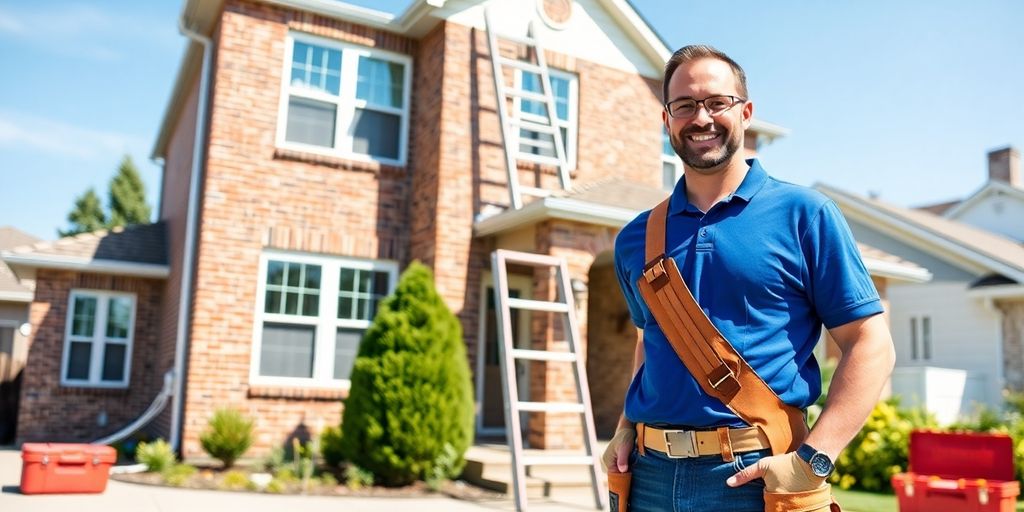
When you’re thinking about home improvement, it’s good to know what a contractor actually does. They don’t just swing a hammer; they’re more like project managers for your house. They handle everything from small updates to major renovations. This includes things like:
- Kitchen and bathroom remodels
- Adding new rooms or expanding existing ones
- Basement finishing
- Exterior work like siding, roofing, and decks
They make sure the project runs smoothly from start to finish.
Coordination With Skilled Subcontractors
One of the biggest things a contractor does is bring in the right people for the job. They have a network of electricians, plumbers, carpenters, and other specialists. This means you don’t have to find and manage all these different workers yourself. The contractor makes sure everyone is on the same page and that the work is done correctly. It’s like they’re conducting an orchestra, making sure all the instruments play in harmony.
Managing Permits And Inspections
Dealing with permits and inspections can be a real headache. Luckily, your contractor usually takes care of this. They know the local codes and regulations, and they’ll make sure your project meets all the requirements. This can save you a lot of time and stress. Plus, it ensures that the work is safe and up to code. It’s a critical part of any remodeling project.
A good contractor will handle all the paperwork and scheduling, so you don’t have to worry about getting fined or having to redo work. They’ll also be there to answer any questions the inspectors might have.
Ready to transform your Sandy Springs home? Contact The Remodel Group ATL General Contractors and Construction Company at 730 Peachtree St NE #570, Atlanta, GA 30308, for expert home remodeling and building services.
How To Verify Credentials And Licensing
Checking State And Local Licenses
Okay, so you’re thinking about hiring someone to fix up your place. First things first: licenses. You absolutely need to check if they’re legit. Most states have a website where you can search for contractors by name or license number. Don’t just take their word for it; do the search yourself. Make sure the license is current and hasn’t expired. Also, see what kind of work the license covers. You don’t want someone licensed for plumbing doing your electrical work, right?
Insurance And Bonding Requirements
Insurance is a big deal. It protects you if something goes wrong during the project. Ask for proof of insurance—a certificate of insurance is what you want. Call the insurance company to double-check it’s real and still active. Bonding is another layer of protection. It’s like a safety net if the contractor doesn’t finish the job or screws it up. Not all states require bonding, but it’s a nice thing to have. Here’s a quick rundown:
- Liability Insurance: Covers damages to your property or injuries.
- Worker’s Compensation: Covers injuries to the contractor’s workers.
- Bonding: Protects you from unfinished or poorly done work.
Professional Affiliations And Certifications
Being part of a professional group doesn’t automatically make someone a great contractor, but it can be a good sign. It shows they’re serious about their job and want to stay up-to-date on the latest stuff. Certifications are even better. These mean they’ve taken extra training and passed tests to prove they know their stuff. Look for certifications related to the specific work you need done. For example, if you’re getting your windows replaced, see if they’re certified by the window manufacturer.
It’s always a good idea to do your homework. Don’t rush into hiring someone just because they gave you a low price. Taking the time to verify their credentials and licensing can save you a lot of headaches down the road.
Ready to start your home improvement project with confidence? Contact The Remodel Group ATL General Contractors and Construction Company, Home Remodeling and Home Builders at 730 Peachtree St NE #570, Atlanta, GA 30308, to ensure your project is handled by licensed and insured professionals. Don’t forget to create an online services account to manage your project details efficiently.
Evaluating Reputation Through Reviews And References
Interpreting Online Ratings
Okay, so you’ve found a few contractors who seem promising. Now it’s time to do some digging. Online ratings are a good place to start, but don’t take them as gospel. Look for patterns. A few five-star reviews are nice, but a consistent stream of positive feedback is way more telling.
- Check multiple platforms: Google, Yelp, Houzz, and the Better Business Bureau are all good resources.
- Pay attention to the number of reviews: A contractor with 50+ reviews is generally more reliable than one with only a handful.
- Read the reviews carefully: What are people praising? What are they complaining about? Do the pros outweigh the cons?
It’s easy to get caught up in the star rating, but the actual content of the reviews is where the real gold is hidden. Look for specifics about communication, quality of work, and whether the contractor stuck to the budget and timeline.
Requesting Client Testimonials
Don’t just rely on anonymous online reviews. Ask the contractor for a list of client testimonials. A reputable contractor should be happy to provide you with contact information for past clients. Give those clients a call and ask them about their experience. Here are some questions you might want to ask:
- Were you happy with the quality of the work?
- Did the contractor stick to the budget and timeline?
- Was the contractor responsive to your questions and concerns?
- Would you hire this contractor again?
Inspecting Completed Project Portfolios
Before you make a final decision, ask to see a portfolio of the contractor’s completed projects. This will give you a better sense of their style and quality of work. If possible, visit some of the projects in person. This is a great way to see the contractor’s work firsthand and talk to the homeowners about their experience. Pay attention to the details:
- Is the workmanship neat and professional?
- Are the materials high-quality?
- Does the project match your vision?
Seeing is believing. A portfolio can showcase the contractor’s skills and give you confidence in their ability to handle your project. Don’t be afraid to ask questions about the projects in the portfolio.
Ready to transform your home? Contact bathroom and basement remodeling experts at The Remodel Group ATL General Contractors and Construction Company. Visit us at 730 Peachtree St NE #570, Atlanta, GA 30308, to discuss your project!
Comparing Bids And Estimating Project Costs
Analyzing Detailed Cost Breakdowns
When you get bids from different contractors, don’t just look at the bottom line. A detailed cost breakdown is super important. You want to see exactly where your money is going. This includes the cost of materials, labor, permits, and any other fees. If a bid is vague, ask for more specifics. It’s your right to know!
Spotting Red Flags In Underbids
Okay, so you got a bid that’s way lower than everyone else’s. Sounds great, right? Not always. Underbids can be a major red flag. It might mean the contractor is cutting corners, using cheap materials, or isn’t factoring in all the costs. Always ask why their bid is so much lower. If they can’t give you a good reason, it’s best to steer clear. You don’t want to end up paying more in the long run to fix their mistakes.
Understanding Change Order Policies
Change orders are pretty much inevitable in any remodeling project. Something always comes up! So, before you hire anyone, make sure you understand their change order policies. How do they handle unexpected costs? How will they communicate these changes to you? Will they require written approval before proceeding with the extra work? Knowing this upfront can save you a lot of headaches and money later on.
It’s a good idea to set aside a contingency fund for unexpected expenses. Usually, 10-15% of the total project cost is a safe bet. That way, you’re prepared for any surprises that might pop up during the renovation.
Ready to start your next home improvement project? Contact The Remodel Group ATL General Contractors and Construction Company today! We’re located at 730 Peachtree St NE #570, Atlanta, GA 30308. Let us help you with your basement remodeling needs!
Essential Questions To Ask Before Hiring
Inquiring About Experience With Similar Projects
Before you sign anything, it’s smart to really dig into a contractor’s past. Don’t just take their word for it; ask for specifics. You want to know if they’ve successfully completed projects that are similar to yours.
- How many projects like mine have you completed in the last year?
- Can I see photos or visit any of those completed projects?
- What were some of the challenges you faced on those projects, and how did you overcome them?
It’s not just about the quantity of projects, but the quality and relevance. A contractor who’s done a hundred kitchen remodels might not be the best choice for a complex structural addition. Make sure their experience aligns with your specific needs.
Clarifying Timeline And Scheduling
One of the biggest headaches in home improvement is delays. To minimize this, get a clear, detailed timeline upfront. Vague promises won’t cut it. You need specifics.
- What is the estimated start and completion date?
- Can you provide a detailed schedule of work, including milestones?
- How will weather or unforeseen issues be handled in the schedule?
- What are your working hours, and will someone be on-site daily?
Discussing Communication Preferences
Communication is key to a smooth project. You need to know how the contractor prefers to communicate and how often you can expect updates. Lack of communication can lead to misunderstandings and frustration.
- How often will I receive updates on the project’s progress?
- What is the best way to contact you (phone, email, text)?
- Who will be my main point of contact?
- How are project changes or unexpected issues communicated and resolved?
Ready to transform your Sandy Springs home? Contact The Remodel Group ATL General Contractors and Construction Company, your trusted partner for home remodeling and home builders. Visit us at 730 Peachtree St NE #570, Atlanta, GA 30308, and let’s discuss your dream project!
Negotiating Contracts And Payment Terms
Structuring Fair Payment Schedules
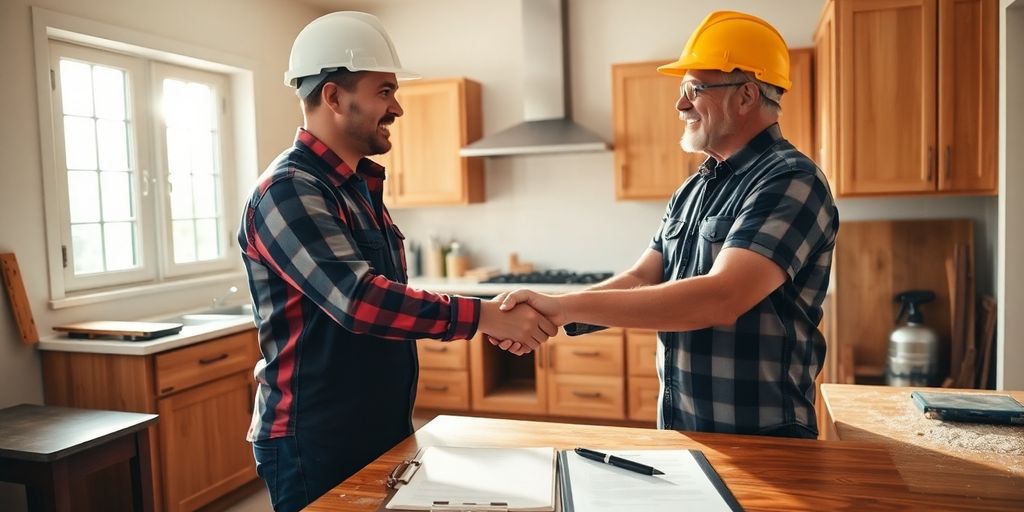
Okay, so you’ve found a contractor you like. Now comes the slightly less fun part: talking money and contracts. Don’t skip this! A solid payment schedule protects you and the contractor. A typical schedule might look like this:
- 10-15% upfront: This covers initial costs like permits and materials.
- 25% at the start of the project: This is when the real work begins.
- Progress payments: These are tied to milestones (e.g., framing complete, plumbing installed). Usually around 20-25% each.
- Final payment (10-15%): Paid after the final inspection and your complete satisfaction.
Make sure each payment is clearly linked to a specific stage of the project. This keeps everyone on the same page. It’s also a good idea to hold back a small percentage until you’re absolutely happy with everything.
Warranty And Guarantee Inclusions
What happens if something goes wrong after the project is "done"? That’s where warranties and guarantees come in. A good contractor will stand behind their work.
- Labor Warranty: This covers the contractor’s workmanship for a specific period (e.g., 1 year). If something fails due to poor installation, they’ll fix it.
- Manufacturer’s Warranty: This covers the materials used (e.g., roofing shingles, appliances). The length and terms vary by manufacturer.
- Implied Warranty: In some states, there’s an implied warranty of habitability, meaning the work must be done in a way that makes your home safe and livable.
It’s important to get all warranty information in writing. Understand what’s covered, for how long, and what steps you need to take to make a claim. Don’t be afraid to ask for clarification.
Handling Change Orders Professionally
Inevitably, changes happen. You might decide you want a different tile, or maybe an unexpected issue pops up behind the walls. These changes need to be documented in a change order.
- Written Agreement: Always get change orders in writing, signed by both you and the contractor.
- Detailed Description: The change order should clearly describe the change, the reason for it, and the impact on the cost and timeline.
- Cost Breakdown: The contractor should provide a detailed breakdown of the additional costs for labor and materials.
Change orders can quickly inflate the budget, so it’s important to manage them carefully. Discuss potential changes with your contractor upfront and try to anticipate any issues.
Ready to start your home improvement journey in Sandy Springs? Contact The Remodel Group ATL General Contractors and Construction Company today! We’re located at 730 Peachtree St NE #570, Atlanta, GA 30308. Let us help you with your incident management plan and home remodeling needs!
Deals can be tricky. When you talk about work and pay, make sure everything is clear. List what you or the other person will do. Set fair payment dates you can meet. If a term seems off, ask to fix it. Ready to get better contracts? Visit our website to learn how.
## Conclusion
I hope this guide helps you avoid the mistakes I made when I tried to remodel my own bathroom. Finding a local contractor in Sandy Springs starts with asking around, reading real reviews, and meeting people in person. Don’t just go with the lowest bid. Ask for examples of past work, check that licenses and insurance are in place, and make sure you feel comfortable talking to them. It might take a bit of time, but you’ll end up with someone who treats your home like theirs. Good luck with your project – once you find the right person, you can actually relax and watch your vision come to life.
Frequently Asked Questions
What does a Sandy Springs home improvement contractor do?
They plan and manage your project from start to finish. That includes finding skilled workers, getting permits, ordering materials, and making sure the work meets local rules.
How can I check if a contractor is licensed and insured?
Ask to see their state license and proof of insurance. You can also look up their license on Georgia’s licensing website to make sure it’s active.
Why should I read reviews and ask for references?
Reviews and references show what past customers think. Good feedback means the contractor met expectations. If you find problems, you can avoid making the same mistakes.
What should I look for when comparing bids?
Look at the details: cost of materials, labor, and extra fees. Beware of prices that seem too low or too high. A clear breakdown helps you see what you’re paying for.
Which questions are important to ask before hiring?
Ask about their experience with similar projects, how long the job will take, and how they prefer to communicate. This helps set clear expectations from the start.
How do change orders and extra costs work?
A change order is a written note to add, remove, or change work after the job starts. It should list new costs and a revised timeline. Always agree on it before the work begins.