
Thinking about remodeling your home in Peachtree City? It’s a big step, and finding the right general contractor is key to making sure it goes smoothly. You want someone local, someone you can trust, and someone who knows what they’re doing. This guide will help you figure out how to find that perfect Peachtree City general contractor remodeling near me, from asking the right questions to understanding their bids and contracts.
Key Takeaways
- Look for a Peachtree City general contractor with a proven track record and good references for remodeling projects.
- Always ask potential contractors about their experience, licensing, insurance, and how they handle changes and budgets.
- A clear, detailed bid is important; don’t just go with the cheapest option.
- Understand the contractor’s process, payment schedule, and what warranties they offer.
- Thoroughly review the contract before signing to ensure all project details and expectations are covered.
1. How to Find a General Contractor in Peachtree City
Finding the right general contractor for your home remodeling project in Peachtree City can feel like a big task, but it doesn’t have to be overwhelming. Think of a general contractor as your project’s main point person. They’re the ones who will hire and manage all the different tradespeople, like plumbers, electricians, and painters, making sure everyone is on the same page and doing quality work. They also handle the nitty-gritty stuff like permits, budgets, and keeping the project on schedule. Hiring a good general contractor can save you a lot of headaches and ensure your project turns out just the way you envisioned.
Where to Start Your Search
When you’re ready to start looking, there are a few good places to begin. You can ask friends, family, or neighbors for recommendations. People you know and trust often have firsthand experience with local contractors and can point you toward someone reliable. Another great resource is online platforms that list local professionals. These sites often have profiles with photos of past work and, importantly, customer reviews. Reading what other homeowners have experienced can give you a real sense of a contractor’s reliability and the quality of their work. Don’t forget to check out local building supply stores; they often have a good idea of who the reputable contractors are in the area.
What to Look For in a Contractor
As you start evaluating potential contractors, keep a few key things in mind. First, check how long they’ve been in business and if they have experience with projects similar to yours. A contractor who has tackled many kitchen renovations, for example, will likely have a better understanding of the process than someone new to that type of work. Also, ask about their team and who will be working on your project. It’s also important to verify that they are properly licensed and insured. This protects you in case of accidents or unforeseen issues. You want someone who communicates well and is transparent about their process and pricing. For example, understanding their approach to change orders is important.
Questions to Ask Potential Contractors
Once you’ve narrowed down your list, it’s time to have some conversations. Prepare a list of questions to ask each contractor. Some good starting points include:
- How long have you been operating, and can you show me examples of similar projects you’ve completed?
- Who will be directly involved in my project, and what are your criteria for selecting subcontractors?
- Can you provide references from recent clients, and do you have proof of your license and insurance?
- How do you handle project pricing, including potential changes or budget overruns?
- What is your estimated timeline for the project, and what will you need from me to keep things moving?
- What kind of contract do you use, and what documentation will I receive throughout the project?
- What is your typical payment schedule, and what is the initial deposit requirement?
- What warranties or guarantees do you offer on your workmanship and materials?
Asking these questions upfront can help you get a clear picture of each contractor’s professionalism and suitability for your project. It’s also a good idea to ask about their process for handling disputes or any issues that might arise during the work.
For reliable and experienced general contracting services in the Atlanta area, consider reaching out to The Remodel Group ATL General Contractors and Construction Company, Home Remodeling and Home Builders. They are located at 730 Peachtree St NE #570, Atlanta, GA 30308.
2. Key Questions to Ask Potential Peachtree City Contractors
When you’re getting ready to hire someone to handle your home remodel in Peachtree City, it’s super important to ask the right questions. You want to make sure you’re picking a contractor who knows their stuff and will treat your home with respect. It’s not just about getting the job done; it’s about getting it done right and without a ton of headaches. Think of it like this: you wouldn’t hire a chef without asking about their experience, right? Same idea here.
Experience and Portfolio
- How long have you been in business as a general contractor in the Peachtree City area?
- Can you show me examples of similar projects you’ve completed, like kitchen remodels or additions?
- Do you have a portfolio or photos of past work I can look at?
Team and Subcontractors
- Who will be the main point of contact for my project?
- What kind of experience do your regular subcontractors have?
- How do you choose the subcontractors who work on your projects?
Licensing, Insurance, and References
- Are you properly licensed and insured for work in Georgia?
- Can you provide proof of your general liability insurance and worker’s compensation?
- Could you give me a list of recent clients I can contact for references?
Project Management and Communication
- How do you typically handle project timelines and scheduling?
- What’s your process for managing unexpected issues or delays?
- How will you keep me updated on the progress of my project?
Change Orders and Budget
- What is your process for handling change orders if I decide to alter the scope of the project?
- How do you manage budget overruns, and what happens if costs exceed the estimate?
- Can you explain your billing and payment schedule in detail?
Contracts and Warranties
- What type of contract do you use for your projects?
- What documentation will I receive throughout the project?
- What kind of warranty or guarantee do you offer on your workmanship and materials?
Asking these questions upfront can save you a lot of trouble down the road. It helps you get a clear picture of who you’re working with and what to expect. For example, understanding their process for handling change orders is key to avoiding surprises.
If you’re looking for a reliable team for your home remodeling needs, consider The Remodel Group ATL General Contractors and Construction Company. They specialize in home remodeling and are known as home builders in the Atlanta area.
3. What Services Do General Contractors Typically Provide?
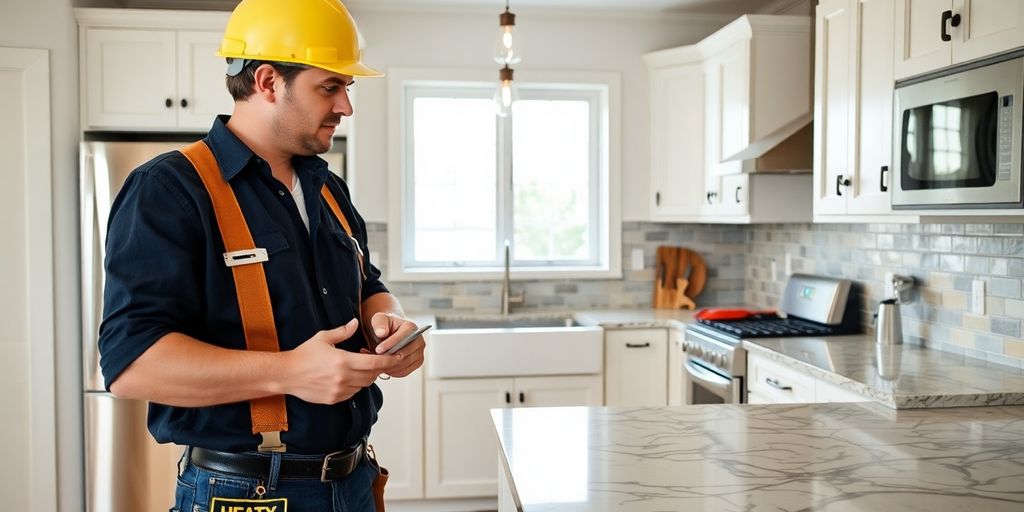
When you hire a general contractor for your Peachtree City remodeling project, you’re essentially bringing on a project manager for the entire job. They handle the big picture, coordinating all the different moving parts so you don’t have to. Think of them as the main point of contact for everything related to your renovation.
Project Planning and Management
General contractors are responsible for the initial planning stages. This includes developing a realistic budget, creating a project timeline, and making sure all necessary permits are obtained before any work begins. They’ll work with architects or designers if needed, and they manage the day-to-day operations on the construction site.
Subcontractor Coordination
One of their biggest roles is hiring and managing all the specialized subcontractors. This means they find and schedule electricians, plumbers, HVAC technicians, painters, drywallers, and any other tradespeople required for your project. They ensure these professionals are qualified and that their work is integrated smoothly with the overall plan. It’s a big job to keep everyone on the same page, and that’s exactly what they do.
Material Procurement and Logistics
General contractors also handle ordering and coordinating the delivery of all the materials needed for your project. This could be anything from lumber and drywall to fixtures and finishes. They manage the logistics to make sure materials arrive on-site when they’re needed, preventing delays.
Quality Control and Oversight
Throughout the construction process, the general contractor is responsible for quality control. They’ll conduct regular inspections to make sure the work being done meets industry standards and your specific project requirements. They are the ones who catch potential issues before they become major problems.
Budget and Schedule Adherence
Keeping the project on budget and on schedule is a primary function. They monitor expenses, manage payments to subcontractors, and adjust plans as needed to stay on track. If unexpected issues arise, they’ll communicate with you about potential impacts on the budget or timeline.
For a reliable partner to manage your home renovation, consider The Remodel Group ATL General Contractors and Construction Company, Home Remodeling and Home Builders. They can help bring your vision to life. You can find them at 730 Peachtree St NE #570, Atlanta, GA 30308.
4. What to Look For in a General Contractor’s Bid
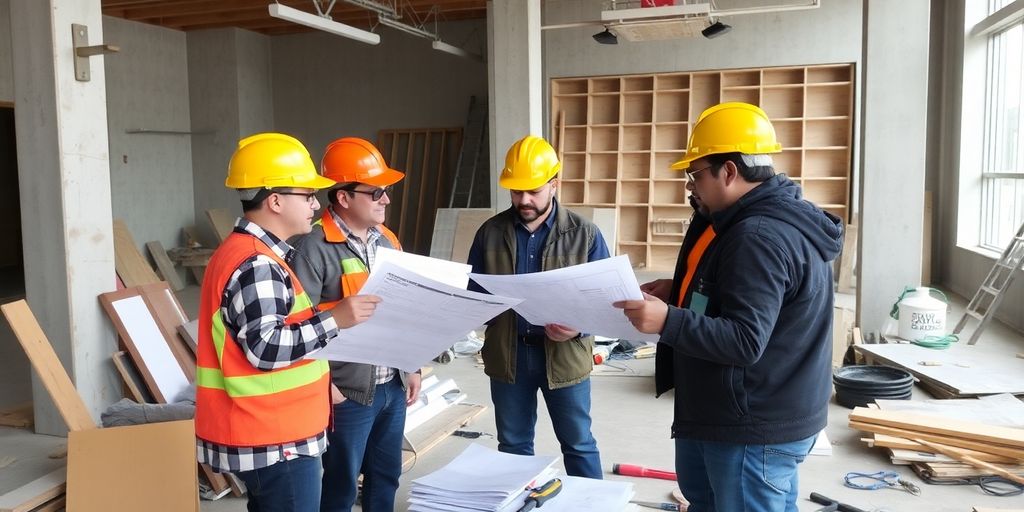
When you get a bid from a general contractor, it’s more than just a price tag. You need to really dig into what’s included. A good bid will break down all the costs – think materials, labor, and what the subcontractors will charge. It should also clearly state the project timeline and how payments will be handled. Pay attention to what’s not included, too; sometimes those are the hidden costs that can sneak up on you.
Key Components of a Contractor’s Bid
- Detailed Cost Breakdown: Look for itemized costs for materials, labor, permits, and subcontractor fees. This shows transparency.
- Project Timeline: A clear start and end date, with milestones, helps manage expectations.
- Payment Schedule: Understand when payments are due and what they cover.
- Scope of Work: Ensure it precisely matches your project’s requirements.
- Allowances: These are estimates for items you’ll choose, like fixtures or finishes. Make sure they’re realistic.
Red Flags to Watch For
- Vague Descriptions: If it’s not specific, it’s hard to compare or know what you’re getting.
- Unusually Low Prices: This could mean they’re cutting corners or missed something important.
- Missing Information: No permit costs? No timeline? That’s a problem.
- Lack of Change Order Process: How will unexpected changes be handled and priced?
A bid should feel like a clear roadmap for your project. If anything is unclear, don’t hesitate to ask for clarification. It’s better to get all your questions answered upfront than to deal with surprises later.
When comparing bids, remember that the cheapest option isn’t always the best value. Focus on completeness, clarity, and the overall professionalism of the bid. For reliable remodeling services in the Atlanta area, consider reaching out to The Remodel Group ATL.
5. Understanding the General Contractor’s Process
When you hire a general contractor, you’re essentially bringing on a project manager for your home remodel. They’re the ones who will orchestrate the entire operation, from the initial planning stages right through to the final walkthrough. It’s a big job, and understanding their typical workflow can help you feel more in control and prepared.
The Initial Consultation and Planning Phase
This is where it all begins. You’ll meet with the contractor to discuss your vision, your budget, and your timeline. They’ll want to get a feel for the scope of the project, ask a lot of questions, and might even do an on-site visit. This is your chance to gauge their communication style and see if they seem like a good fit for your project. They’ll start putting together a preliminary plan and a rough estimate at this stage.
Bid Preparation and Contract Agreement
After the initial consultation, the contractor will put together a detailed bid. This document should break down all the costs involved – materials, labor, permits, and subcontractor fees. It’s important to compare this bid carefully with others you might receive. Once you’ve chosen a contractor, you’ll sign a contract. This contract is a really important document; it outlines everything from the scope of work to payment schedules and warranties. Make sure you read it thoroughly and understand all the terms before signing.
Project Execution and Management
This is the phase where the actual work happens. The general contractor will schedule and manage all the subcontractors – the electricians, plumbers, painters, and so on. They’ll handle ordering materials, obtaining permits, and overseeing the day-to-day progress. Regular communication is key here; you should expect updates on how things are progressing and if any issues arise. They’re responsible for quality control, making sure the work meets the agreed-upon standards.
Project Completion and Finalization
Once the construction is finished, the contractor will conduct a final inspection. This is often called a punch list walkthrough, where you and the contractor go through the project room by room to identify any minor issues that need addressing. After these are resolved, you’ll typically make the final payment. The contractor should also provide you with all necessary documentation, like warranty information for new installations. For reliable service and clear project management, consider reaching out to The Remodel Group ATL General Contractors and Construction Company, Home Remodeling and Home Builders at 730 Peachtree St NE #570, Atlanta, GA 30308.
6. Evaluating General Contractor Bids and Pricing
Once you’ve gathered a few bids from potential general contractors, it’s time to really dig in and compare them. This isn’t just about picking the lowest number; it’s about understanding what you’re actually paying for and ensuring you’re getting good value. A detailed bid is your roadmap to a successful project.
What to Look For in a General Contractor’s Bid
When you get a bid back, don’t just glance at the total. Break it down. A solid bid should clearly itemize costs for:
- Materials: What specific materials are included? Are there allowances for things like tile, fixtures, or paint? Knowing these details helps avoid surprises later.
- Labor: This covers the cost of the general contractor’s team and any direct employees.
- Subcontractor Work: This is a big one. The bid should list the different trades (plumbing, electrical, HVAC, etc.) and the estimated cost for each. It shows they’ve thought about who they’ll need to hire.
- Permits and Fees: Are these included? If not, you’ll need to factor them in.
- Contingency/Allowances: Good contractors build in a buffer for unexpected issues. This might be a percentage or a specific dollar amount.
Comparing Bids and Understanding Pricing
It’s common to get bids that vary quite a bit. If one bid seems significantly lower than the others, be cautious. It could mean they’ve cut corners, missed something important, or are using cheaper materials. Always ask for clarification on any line items you don’t understand. A contractor who is unwilling to explain their pricing might not be the best choice.
Remember, the cheapest bid isn’t always the best deal. Focus on completeness, clarity, and the overall value presented. A slightly higher bid that includes better quality materials or more detailed planning can save you money and headaches down the road.
Here’s a quick way to compare key aspects:
| Feature | Contractor A | Contractor B | Contractor C |
|---|---|---|---|
| Total Project Cost | $50,000 | $52,000 | $48,000 |
| Material Allowance | $10,000 | $12,000 | $8,000 |
| Estimated Timeline | 8 Weeks | 7 Weeks | 9 Weeks |
| Included Permits | Yes | Yes | No |
| Warranty on Labor | 1 Year | 2 Years | 1 Year |
When you’re ready to discuss your remodeling project and get a detailed bid, consider reaching out to The Remodel Group ATL General Contractors and Construction Company, Home Remodeling and Home Builders. They can help you understand the pricing and scope for your project at 730 Peachtree St NE #570, Atlanta, GA 30308. Getting a clear picture of the costs involved is a major step towards a successful renovation, and comparing bids carefully is part of that process. You can also look into local contractor reviews to see what others have experienced.
7. Checking General Contractor References and Reviews
Once you’ve narrowed down your choices for a general contractor, the next step is to really dig into what past clients have to say. This is where you can get a true feel for how they operate and the quality of their work. Don’t just take their word for it; see what others are experiencing.
Ask for References
Always ask your potential contractors for a list of recent clients they’ve worked with. Try to get at least three references, ideally for projects similar to yours. When you call these references, have a few questions ready. Ask about the contractor’s communication style, whether they stayed on budget and schedule, and if they were happy with the final outcome. It’s also a good idea to ask if they would hire the contractor again. This direct feedback can be incredibly telling.
Read Online Reviews
Beyond direct references, the internet is a treasure trove of information. Look for reviews on various platforms like Google, Yelp, or even contractor-specific sites. Pay attention to both the positive and negative feedback. A few minor complaints might not be a deal-breaker, but a pattern of issues with communication, quality, or timeliness is a big red flag. Remember that not all reviews are created equal, so try to get a balanced perspective. It can be helpful to look for reviews that detail the project scope and the contractor’s performance throughout.
Check Their Portfolio and Past Projects
Many contractors will have a portfolio of their past work, often showcased on their website or in a brochure. Look through these photos and descriptions. Do the projects look well-executed? Does the style align with what you’re looking for? If possible, ask if you can visit a recently completed project. Seeing the work firsthand can give you a much better sense of the contractor’s craftsmanship than just looking at pictures. This is a great way to gauge the quality of their finished products.
What to Look For in Reviews:
- Communication: Did the contractor keep clients informed? Were they responsive to calls and emails?
- Timeliness: Was the project completed within the estimated timeframe?
- Budget: Did the project stay within the agreed-upon budget? How were any changes handled?
- Quality of Work: Was the craftsmanship good? Were materials high-quality?
- Professionalism: Were the workers respectful of the property and the homeowners?
It’s important to remember that even the best contractors might have a less-than-perfect review somewhere. What you’re looking for is a consistent track record of good work and satisfied clients. Don’t be afraid to ask the contractor directly about any negative feedback you find; their response can be very revealing.
When you’re ready to find a contractor who has a solid reputation, consider reaching out to The Remodel Group ATL General Contractors and Construction Company. They specialize in home remodeling and are known as excellent home builders in the Atlanta area. You can find them at 730 Peachtree St NE #570, Atlanta, GA 30308.
8. Reviewing the General Contractor Contract
Once you’ve picked a general contractor, the next big step is looking over the contract. This document is super important because it lays out exactly what everyone’s agreeing to. It’s your best tool for making sure your project goes smoothly and stays within budget. Don’t just skim it; really read through everything. You want to know what’s included, what’s not, and how things will be handled if changes come up.
Key Contract Components to Examine
When you get the contract, take a close look at these parts:
- Scope of Work: This section should clearly describe everything the contractor will do. It should match what you discussed and agreed upon. Vague descriptions here can lead to problems later.
- Materials and Finishes: If specific materials or brands are part of the deal, they should be listed. If there are allowances for things like tile or fixtures, make sure those amounts are realistic for what you want.
- Project Timeline: The contract should include a start date and an estimated completion date. It might also break down the project into phases with their own timelines.
- Payment Schedule: This is a big one. It will detail how much you pay and when. Usually, it’s tied to project milestones. Understand the deposit amount and how progress payments are structured.
- Change Order Process: Projects rarely go exactly as planned. This part explains how changes will be handled, including how costs and timelines will be adjusted. Make sure you understand how to approve changes.
- Warranties and Guarantees: What kind of warranty does the contractor offer on their work? This is important for peace of mind after the project is done.
- Permits and Inspections: The contract should state who is responsible for obtaining necessary permits and scheduling inspections.
- Dispute Resolution: What happens if you and the contractor disagree on something? This clause outlines the process for resolving conflicts.
It’s always a good idea to have a legal professional review the contract, especially for larger projects. They can spot potential issues you might miss and help protect your interests. Don’t be afraid to ask the contractor to clarify anything you don’t understand before you sign.
For any home remodeling or building needs, consider reaching out to The Remodel Group ATL General Contractors and Construction Company, Home Remodeling and Home Builders. They are located at 730 Peachtree St NE #570, Atlanta, GA 30308. Getting a clear contract is a vital step in any successful construction project, and understanding your agreement details is key.
9. Peachtree City General Contractor Payment Schedules
When you’re working with a general contractor for your Peachtree City remodeling project, understanding the payment schedule is super important. It’s not usually a case of paying everything upfront or all at the very end. Most contractors break down payments into stages, tied to the progress of the work. This helps both you and the contractor manage cash flow and ensures that work is completed before payment is due.
Typical Payment Stages
Payment schedules can vary, but a common structure looks something like this:
- Initial Deposit: This is usually a percentage of the total project cost, paid when you sign the contract. It helps the contractor secure materials and schedule your project.
- Progress Payments: These are typically made at specific milestones, like the completion of framing, rough-in plumbing and electrical, or drywall installation. The contractor will usually present an invoice for work completed.
- Final Payment: This is paid once the project is fully completed, all inspections have passed, and you’re satisfied with the work. Sometimes a small retainage might be held back for a short period to cover any minor punch list items.
What to Expect in Your Contract
Your contract should clearly outline the payment schedule. It should detail:
- The amount of the initial deposit.
- The specific milestones that trigger progress payments.
- The process for invoicing and payment due dates.
- How change orders will affect the payment schedule.
It’s always a good idea to have a clear understanding of these terms before any work begins. Don’t hesitate to ask your contractor for clarification if anything is unclear. For example, if you’re planning a significant renovation like a bathroom remodel, you’ll want to know exactly when payments are expected. You can find great local contractors who can help with projects like that.
Always ensure that your contract specifies that payments are tied to completed work. This protects you and ensures the contractor is motivated to finish each stage properly before expecting payment.
If you’re looking for a reliable general contractor in the Atlanta area for your home remodeling needs, consider The Remodel Group ATL General Contractors and Construction Company, Home Remodeling and Home Builders. They are located at 730 Peachtree St NE #570, Atlanta, GA 30308.
10. General Contractor Warranties and Guarantees
When you’re investing a good chunk of change into a home remodel, you want to know that the work is solid and that there’s some backup if things go sideways. That’s where warranties and guarantees come in. They’re basically the contractor’s promise that they stand behind their work.
What to Expect from Warranties and Guarantees
Most reputable general contractors will offer some form of warranty on their labor. This usually covers defects in the workmanship for a set period, often a year or two. It’s important to understand what this warranty actually covers. Does it include fixing leaks, structural issues, or just cosmetic flaws?
It’s also common for manufacturers of materials used in your project – like windows, roofing, or appliances – to have their own warranties. Your general contractor should help you understand these and make sure you get all the necessary paperwork.
Key Aspects of Contractor Guarantees
- Labor Warranty: This is the contractor’s promise regarding the quality of their own work. Make sure you know the duration and what specific issues are covered.
- Material Warranty: While not directly from the contractor, they should guide you on manufacturer warranties for products used.
- Transferability: Can the warranty be transferred if you sell your home? This might be a consideration for future buyers.
- Exclusions: What isn’t covered? Things like normal wear and tear, damage from misuse, or issues caused by external factors are usually excluded.
Always get the warranty details in writing as part of your contract. Verbal promises don’t hold much weight when it comes to construction projects. A clear, written warranty protects both you and the contractor.
For peace of mind and to ensure your project is built to last, look for contractors who are confident enough to back their work. Companies like The Remodel Group ATL General Contractors and Construction Company, Home Remodeling and Home Builders are known for their commitment to quality and customer satisfaction, which often translates into solid warranty offerings. If you’re in the Peachtree City area and looking for reliable remodeling services, consider reaching out to them. You can find them at 730 Peachtree St NE #570, Atlanta, GA 30308. They can help with all your home remodeling and home builder needs.
When you hire a general contractor, it’s good to know what promises they make about their work. These are called warranties and guarantees. They ensure you get quality results and protection for your investment. Want to learn more about how we stand behind our projects? Visit our website today!
Wrapping Up Your Peachtree City Contractor Search
So, finding the right general contractor in Peachtree City for your home project might seem like a big task, but it doesn’t have to be overwhelming. By doing your homework, asking the right questions, and comparing bids carefully, you can find someone reliable. Remember to look at their past work, check references, and make sure you feel comfortable with their communication style. A good contractor will make the whole process smoother, helping you get the results you want without all the headaches. Good luck with your remodel!
Frequently Asked Questions
What exactly does a general contractor do?
A general contractor is like the main boss for your home project. They handle all the details, hire the right workers for different jobs (like plumbing or electrical), make sure everything is done correctly and on time, and keep you updated. Think of them as the person who makes sure your whole project runs smoothly from start to finish, taking the stress off your shoulders.
Is it worth hiring a general contractor?
Hiring a general contractor is usually a really good idea for bigger projects. They know how to avoid problems, manage your money and schedule well, and work with skilled pros to make sure the job is done right. It saves you time and worry, and often leads to a better result.
How do I find a good general contractor near me?
You can find local contractors by looking online, maybe on sites that list local businesses and reviews. You can also ask friends or neighbors for recommendations. Once you find a few, check out their past work and read what other customers say about them.
What kind of work do general contractors usually do?
General contractors usually help with everything from building a new house to remodeling a kitchen or bathroom. They handle planning, getting permits, hiring specialized workers like electricians and plumbers, managing the work site, and making sure the quality is good.
What should I look for in a contractor’s price quote?
When you get a price quote, it should be very detailed. It needs to list the costs for materials, labor, and any other workers. It should also tell you how long the project will take and when you’ll need to pay. Be careful if a price seems too low compared to others, or if it’s not clear about everything included.
What questions should I ask about warranties and payments?
It’s smart to ask about warranties or guarantees they offer on their work. This means if something goes wrong with their work after it’s done, they’ll fix it. Also, ask how they handle any changes that come up during the project and how payments are planned out.