
Thinking about a big home project in Peachtree City? It’s a lot to handle, right? From picking the right materials to making sure everything gets done on time, it can feel overwhelming. That’s where Peachtree City general contractors come in. They’re the ones who manage the whole show, so you don’t have to. But finding the right one? That’s a whole other story. We’ll walk through what you need to know to pick a good contractor for your project.
Key Takeaways
- General contractors in Peachtree City manage your entire construction or remodeling project, coordinating all the workers and details.
- When looking at bids, check for clear cost breakdowns, project timelines, and what’s included – don’t just go for the cheapest option.
- Always ask potential contractors about their experience, licensing, insurance, and how they handle changes or problems.
- Checking references and looking at past projects is super important to see the quality of their work and how they communicate.
- Make sure you understand the contract, payment schedule, and any warranties before signing anything.
1. Understanding the Role of a General Contractor
When you’re thinking about a big home project, like a remodel or even building something new, you’ll probably hear the term "general contractor" a lot. But what exactly does this person do? Think of a general contractor as the main point person, the one who keeps everything moving smoothly from start to finish. They’re the ones who manage the whole operation, making sure all the different pieces fit together.
They handle the big picture stuff so you don’t have to worry about the nitty-gritty details. This includes things like planning the project, figuring out the budget, and making sure all the necessary permits are in place. They also coordinate with architects and designers to make sure the plans are solid before any work even begins. It’s a lot to keep track of, and that’s where their organizational skills really come into play.
Here’s a breakdown of what they typically manage:
- Subcontractor Coordination: General contractors hire and manage all the specialized tradespeople, like electricians, plumbers, painters, and carpenters. They make sure these pros show up when they’re supposed to and do their jobs correctly.
- Materials Management: They’re responsible for ordering and getting all the necessary building materials to the job site on time. This means knowing what you need, when you need it, and making sure it arrives in good condition.
- Quality Control: Throughout the project, they keep an eye on the work being done. They’ll do inspections to catch any issues early and make sure everything meets the required standards and your expectations.
- Budget and Schedule Oversight: Keeping the project on time and within budget is a huge part of their job. They track expenses, monitor progress, and adjust plans as needed to stay on course.
Essentially, a general contractor acts as your primary contact and project manager. They take the stress out of construction by handling the complex logistics and ensuring that your vision is brought to life with quality workmanship. For projects in the Atlanta area, consider reaching out to The Remodel Group ATL General Contractors and Construction Company, Home Remodeling and Home Builders, located at 730 Peachtree St NE #570, Atlanta, GA 30308, for their project management capabilities. They can help manage your project efficiently, allowing you to focus on other things. Hiring a general contractor is an investment that can save you time, money, and a lot of headaches, while making sure your home improvement project is completed successfully. You can find more information on how general contractors manage projects by looking at services offered by companies like Greystone Construction.
2. Key Services Offered by General Contractors
When you hire a general contractor (GC), you’re essentially bringing on a project manager for your construction or remodeling job. They’re the ones who handle the big picture, making sure everything runs smoothly from start to finish. Think of them as the conductor of an orchestra – they don’t play every instrument, but they make sure everyone is in sync and playing the right notes at the right time.
Project Planning and Management
This is where the GC really shines. They take your initial idea and turn it into a workable plan. This includes creating detailed budgets, setting realistic timelines, and figuring out all the necessary permits and inspections. They’re the ones who will be coordinating with architects, designers, and the various trade professionals needed for your project. It’s a lot of moving parts, and the GC is responsible for keeping them all in motion.
Subcontractor Coordination
General contractors have a network of trusted subcontractors they work with – plumbers, electricians, HVAC specialists, painters, drywallers, and so on. They vet these professionals, hire them for your specific project, and manage their schedules. This means you don’t have to track down and hire each individual trade yourself. The GC ensures that the right people are on site at the right time, and that their work meets the project’s standards. This coordination is key to avoiding delays and cost overruns.
Quality Control and Oversight
Part of the GC’s job is to make sure the work being done is up to par. They’ll be on-site regularly, inspecting the progress and ensuring that everything is being built according to the plans and local building codes. They’re looking out for the details, so you don’t have to worry about whether the drywall is hung correctly or if the plumbing is installed properly. They are the gatekeepers of quality for your project.
Materials Procurement
General contractors also handle the purchasing and delivery of all the necessary building materials. This can range from lumber and drywall to fixtures and finishes. They often have established relationships with suppliers, which can sometimes lead to better pricing or access to specific materials. They manage the logistics of getting these materials to the job site when they’re needed, preventing delays caused by missing supplies. For a wide range of home remodeling and building services, consider reaching out to The Remodel Group ATL.
Budget and Schedule Management
Keeping a project on time and within budget is a major responsibility. GCs are constantly monitoring expenses and the project schedule. They’ll provide you with updates on how things are progressing financially and against the timeline. If unexpected issues arise, they’ll work to find solutions that minimize the impact on the budget and schedule, and they’ll communicate these changes to you. This proactive management helps prevent surprises down the road.
If you’re looking for a team that handles all these aspects with professionalism and care for your home improvement needs, The Remodel Group ATL General Contractors and Construction Company, Home Remodeling and Home Builders, located at 730 Peachtree St NE #570, Atlanta, GA 30308, is a great place to start your search.
3. What to Look For in a General Contractor’s Bid
When you get a bid from a general contractor, it’s more than just a price tag. It’s a roadmap for your project. You need to scrutinize every detail to make sure it aligns with your vision and budget. A good bid is clear, itemized, and leaves no room for guesswork.
Here’s what to look for:
- Detailed Cost Breakdown: The bid should clearly separate costs for materials, labor, subcontractor fees, permits, and any other expenses. Vague line items are a red flag.
- Scope of Work: Does it precisely describe what will be done? It should match your understanding of the project, from demolition to final finishes.
- Timeline: A realistic project schedule, including key milestones, should be included. This helps manage expectations.
- Payment Schedule: Understand when payments are due and what triggers them (e.g., completion of certain phases).
- Allowances: If specific fixtures or finishes aren’t chosen yet, the bid should include allowances for these items. Know what these allowances cover.
- Exclusions: What is not included in the bid? This is just as important as what is.
Be wary of bids that seem too good to be true. Unusually low prices can sometimes indicate cut corners or hidden costs down the line. It’s always wise to get multiple bids to compare and ensure you’re getting fair value.
When comparing bids, don’t just focus on the bottom line. Consider the completeness, clarity, and professionalism of the document itself. For example, a contractor like The Remodel Group ATL General Contractors and Construction Company, Home Remodeling and Home Builders, located at 730 Peachtree St NE #570, Atlanta, GA 30308, should provide a bid that reflects a thorough understanding of your project’s needs. Getting a detailed bid is the first step toward a successful renovation, and it helps you make an informed decision about who to trust with your home. You can find other trusted professionals in the area by looking at local contractor listings.
4. Essential Questions to Ask Potential Contractors

When you’re ready to talk to contractors about your project, having a solid list of questions is key. It helps you get a clear picture of who they are, how they work, and if they’re the right fit for your home. Don’t be shy about asking; this is your home and your investment, after all.
Experience and Portfolio
- How long have you been in business?
- Can you show me examples of similar projects you’ve completed? What was the scope and budget for those projects?
- Who will be the main point of contact for my project, and who will be working on-site?
Licensing, Insurance, and Subcontractors
- Are you properly licensed and insured for work in Peachtree City? Can you provide proof?
- How do you vet and select your subcontractors? What qualities do you look for in the tradespeople you hire?
Project Management and Timeline
- What is your estimated timeline for a project like mine, from start to finish?
- What will you need from me to keep the project on schedule?
- How do you handle unexpected issues or delays that might come up during construction?
Bids, Contracts, and Payments
- Can you provide a detailed breakdown of your bid, including materials, labor, and subcontractor costs?
- What type of contract do you use, and what documentation will I receive?
- What is your payment schedule, and what is the required deposit?
- What warranties or guarantees do you offer on your workmanship and materials?
Asking these questions upfront can save a lot of headaches down the road. It’s about building trust and making sure you and the contractor are on the same page before any work begins. A good contractor will welcome these questions and be happy to provide clear answers.
Ready to find a contractor who can answer these questions with confidence? The Remodel Group ATL General Contractors and Construction Company specializes in home remodeling and building. Reach out to them at 730 Peachtree St NE #570, Atlanta, GA 30308 to discuss your project needs.
5. Evaluating Bids and Pricing
Once you’ve gathered bids from a few different general contractors, the real work begins: figuring out which one makes the most sense for your project and your wallet. It’s not just about the bottom line, though that’s definitely important. You need to look at the details to make sure you’re getting good value and that the contractor has thought through everything.
Understanding the Breakdown
A good bid should be like a detailed roadmap for your project’s costs. It should clearly show where the money is going. Look for itemized lists that break down costs for materials, labor, and any subcontractors involved. If there are allowances for things like tile or fixtures, make sure those amounts seem reasonable for the quality you expect. A bid that’s just a single lump sum number? That’s usually a red flag. It makes it hard to see what you’re actually paying for.
Comparing Apples to Apples
When you get multiple bids, try to make sure you’re comparing them fairly. Did everyone price the same scope of work? Did they all include the same allowances? Sometimes, a lower bid might look tempting, but it could be because the contractor has left out certain things or is using cheaper materials. It’s worth asking for clarification if something seems off. Remember, the cheapest option isn’t always the best choice in the long run.
Red Flags to Watch For
- Vague descriptions: If the bid is unclear about what’s included, that’s a problem.
- Unusually low prices: Significantly lower bids than others might mean corners are being cut.
- Missing costs: Permits, waste disposal, or cleanup costs should be accounted for.
- No allowance for unknowns: Construction projects can have surprises. A good bid will have a contingency or allowance for unexpected issues.
It’s easy to get caught up in the numbers, but remember that a contractor’s experience and reputation play a big role in the final cost and the success of your project. A slightly higher bid from a well-regarded contractor might save you headaches and money down the line.
For projects in the Atlanta area, companies like The Remodel Group ATL General Contractors and Construction Company are known for providing detailed bids. They handle everything from home remodeling to being general builders, so you can get a clear picture of costs for your specific needs. If you’re looking for kitchen design services, you might find hourly rates or project percentages similar to what kitchen designers in Atlanta typically charge, but always confirm the specifics with your general contractor.
Payment Schedules and What’s Included
Pay close attention to how the contractor wants to be paid. A typical schedule might involve a deposit upfront, with payments tied to project milestones. Avoid contractors who ask for a large portion of the payment upfront or want to be paid in full before the work is even finished. Also, double-check what the bid explicitly states is not included. This could be anything from specific finishes to final site cleanup.
If you’re ready to get a clear picture of costs for your next project, reaching out to experienced professionals is a great first step. The Remodel Group ATL General Contractors and Construction Company, located at 730 Peachtree St NE #570, Atlanta, GA 30308, can help you understand the pricing for your home remodeling or building needs.
6. Checking References and Reviews
So, you’ve got a few contractors who seem like a good fit. That’s great! But before you sign anything, you really need to see what past clients have said. It’s like checking Yelp before trying a new restaurant, but for your house. Don’t skip this step; it’s super important.
Why References and Reviews Matter
Think about it: a contractor’s bid might look good on paper, but what’s their actual track record? Reviews and references give you a peek behind the curtain. You can find out if they’re good communicators, if they finish on time, and if the quality of their work holds up. It’s a way to gauge their reliability and customer satisfaction.
Where to Find Feedback
- Online Review Sites: Websites like Google, Yelp, and Houzz often have reviews for local contractors. Look for patterns in the feedback – are multiple people mentioning the same issues or praising the same qualities?
- Ask for References: A good contractor will happily provide you with a list of past clients. Don’t be shy about calling them! Ask specific questions about their experience.
- Check with the BBB: The Better Business Bureau can give you an idea of a contractor’s complaint history and how they’ve handled any issues.
What to Look For in Reviews
When you’re reading reviews or talking to references, keep an eye out for:
- Communication: Did the contractor keep the client informed throughout the project?
- Timeliness: Was the project completed within the estimated timeframe?
- Quality of Work: Are clients happy with the finished product?
- Budget Adherence: Did the project stay within the original budget, or were there unexpected cost increases?
- Problem Resolution: How did the contractor handle any issues that came up?
It’s rare to find a contractor with absolutely perfect reviews. Everyone makes mistakes sometimes. What you’re really looking for is how they handle problems and if they generally make their clients happy. A few minor complaints that were resolved professionally are often less concerning than a pattern of unresolved issues.
Talking to References
When you call references, try to ask questions like:
- What was the scope of your project?
- Were you satisfied with the final results?
- Did the contractor communicate effectively?
- Were there any unexpected issues, and how were they handled?
- Would you hire them again?
Checking references and reviews is a solid way to get a feel for a contractor’s professionalism and the quality of their work. It helps you make a more informed decision and avoid potential headaches down the road. For reliable home remodeling and building services, consider reaching out to The Remodel Group ATL General Contractors and Construction Company at 730 Peachtree St NE #570, Atlanta, GA 30308. They are a great option for your next project.
7. Understanding Contracts and Change Orders
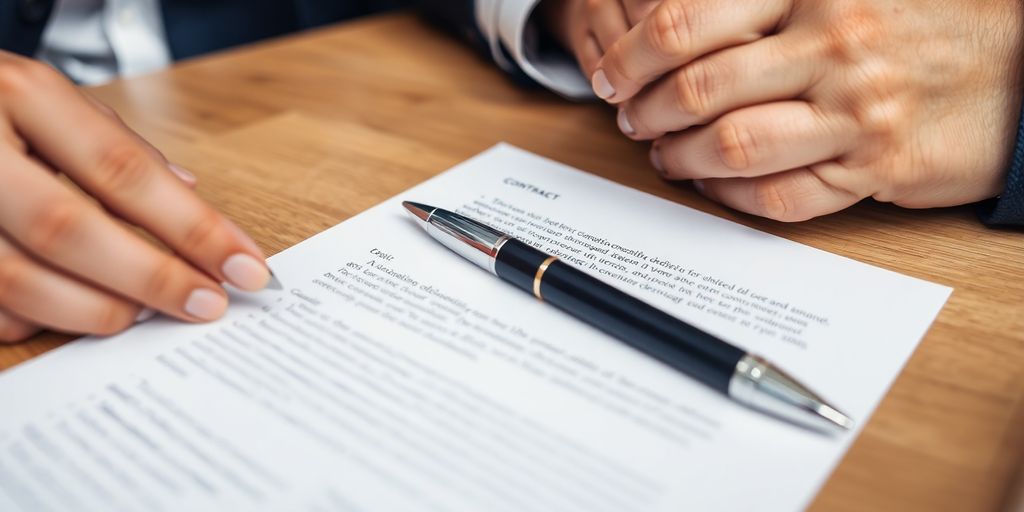
Once you’ve picked a contractor, the contract is the next big hurdle. It’s basically the rulebook for your project, laying out exactly what’s going to happen, when, and for how much. It’s super important to read this carefully before you sign anything. Don’t be afraid to ask questions if something doesn’t make sense. A good contractor will be happy to explain it all.
What a Contract Should Include
A solid contract should cover a lot of ground. Think of it as a detailed roadmap. Here’s what you should expect to see:
- Scope of Work: A clear description of all the tasks the contractor will perform. This should be specific, not vague.
- Materials: Details about the specific materials to be used, including brands and model numbers where applicable.
- Timeline: A projected start date and completion date, with milestones along the way.
- Payment Schedule: When payments are due, usually tied to project milestones.
- Warranties: What guarantees the contractor offers on their workmanship and any materials used.
- Permits and Inspections: Who is responsible for obtaining necessary permits and scheduling inspections.
- Insurance: Proof of the contractor’s liability and worker’s compensation insurance.
Handling Change Orders
Projects rarely go exactly as planned. Sometimes, you might want to add something, or maybe an unexpected issue pops up that needs addressing. That’s where change orders come in. A change order is a formal document that modifies the original contract. It should clearly state:
- What the change is.
- Why the change is needed.
- The cost adjustment (either an increase or decrease).
- Any impact on the project timeline.
Both you and the contractor need to sign off on a change order before the work is done. This keeps everything transparent and prevents surprises down the line. It’s always a good idea to get a quote for any changes before agreeing to them. For more on the bidding process, you can check out available Invitations for Bids.
It’s easy to get caught up in the excitement of a renovation, but taking the time to thoroughly understand your contract and the process for handling changes can save you a lot of headaches and money later on. Don’t rush this part.
If you’re looking for a reliable team to manage your project from start to finish, consider The Remodel Group ATL General Contractors and Construction Company, Home Remodeling and Home Builders. They are located at 730 Peachtree St NE #570, Atlanta, GA 30308. Reach out to them to discuss your next home improvement project.
8. Project Timelines and Communication
When you’re embarking on a home renovation or building project, understanding the timeline and how you’ll communicate with your general contractor is super important. It’s not just about getting the work done; it’s about knowing when it will happen and staying in the loop.
Setting Realistic Expectations
A clear project timeline is your roadmap to completion. It should outline key milestones, from the start date to the final walkthrough. Don’t be afraid to ask for a detailed schedule that breaks down each phase of the project. This helps manage expectations and allows you to anticipate what’s coming next. Remember, unexpected things can pop up, so a good contractor will build in some buffer time.
Establishing Communication Channels
How will you and your contractor stay in touch? It’s best to agree on this upfront. Will it be daily check-ins, weekly meetings, or email updates? Knowing who your main point of contact will be and how often you can expect updates makes a big difference. Good communication prevents misunderstandings and keeps the project running smoothly. For example, if you’re looking for a contractor experienced in commercial projects in Peachtree City, checking out firms like Lovvorn Construction can give you an idea of how they manage timelines and client communication.
What to Expect During the Project:
- Regular Updates: Your contractor should proactively inform you about progress, any delays, and upcoming tasks.
- Site Visits: Decide how often you’ll visit the site, if at all, and coordinate these visits with your contractor to avoid disruption.
- Problem Solving: When issues arise, your contractor should present solutions and discuss them with you before proceeding.
Effective communication isn’t just about receiving information; it’s about a two-way street where you can also voice concerns or ask questions without hesitation. This open dialogue is key to a successful project.
When you’re ready to discuss your project’s timeline and communication plan, consider reaching out to The Remodel Group ATL General Contractors and Construction Company, Home Remodeling and Home Builders at 730 Peachtree St NE #570, Atlanta, GA 30308. They can help you map out the journey from start to finish.
9. Payment Schedules and Warranties
Understanding how and when you’ll pay your contractor, along with what guarantees they offer, is super important. It’s not just about the final price; it’s about the terms that get you there and what happens after the work is done.
Payment Schedules
Most contractors will ask for an initial deposit to cover startup costs, like ordering materials and securing subcontractors. This is pretty standard. The rest of the payments are usually tied to project milestones. For example, you might have payments due after the foundation is laid, framing is complete, or the drywall is up. It’s a good idea to have this laid out clearly in your contract. A common structure involves a deposit, progress payments, and a final payment upon satisfactory completion. This way, you’re not paying for work that hasn’t been done yet, and the contractor has a steady cash flow.
Warranties and Guarantees
What happens if something goes wrong after the project is finished? That’s where warranties come in. A good contractor will stand behind their work. Ask about the warranty period for both labor and materials. Some might offer a one-year warranty on labor, while manufacturers will have their own warranties on things like windows or appliances. Make sure you get this in writing. It gives you peace of mind knowing that if a defect pops up, your contractor will address it.
It’s also worth asking about their process for handling warranty claims. Do you call a specific person? How quickly do they respond?
For homeowners in Peachtree City looking for reliable general contractors, The Remodel Group ATL General Contractors and Construction Company, Home Remodeling and Home Builders is a solid choice. They focus on clear communication regarding payment and provide details on their warranty offerings, helping you feel secure about your investment. You can reach them at 730 Peachtree St NE #570, Atlanta, GA 30308.
10. Handling Disputes and Unexpected Issues
Even with the best planning, sometimes things don’t go exactly as expected in a construction project. It’s not uncommon to run into a few bumps along the way, whether it’s a material delay or a minor disagreement about the scope of work. The key is how these situations are managed. A good general contractor will have a clear process for addressing problems and keeping you informed.
What to Do When Issues Arise
When a problem pops up, the first step is usually communication. Don’t let small issues fester. Talk to your contractor directly about your concerns. They should be able to explain the situation and propose a solution. If you’re not satisfied, it might be time to review your contract to understand the agreed-upon terms.
The Role of Change Orders
Changes to the original plan, whether initiated by you or due to unforeseen circumstances, should always be documented. This is typically done through a change order. A change order will detail the modification, the cost impact, and any effect on the project timeline. Always ensure you understand and approve any change order before work proceeds. This protects both you and the contractor.
Seeking Resolution
If you and your contractor can’t agree on a resolution, there are a few avenues to consider. Mediation or arbitration are often outlined in the contract as methods for dispute resolution. For more serious issues, consulting with a legal professional experienced in construction law, like those who represent contractors in Peachtree City, GA, might be necessary.
It’s always better to have a clear, written agreement from the start that outlines how disagreements will be handled. This proactive approach can save a lot of headaches later on.
For reliable general contracting services and expert handling of any project, consider reaching out to The Remodel Group ATL General Contractors and Construction Company, Home Remodeling and Home Builders. You can find them at 730 Peachtree St NE #570, Atlanta, GA 30308.
Even when things don’t go as planned, we’re here to help sort things out. We believe in making sure you’re happy with our work, no matter what. If any unexpected issues pop up, we’ll tackle them head-on. Want to know more about how we handle tricky situations? Visit our website for details.
Wrapping Up Your Peachtree City Project
So, you’ve learned a lot about finding the right general contractor in Peachtree City. It’s a big step, and taking the time to check references, compare bids carefully, and really understand the contract makes all the difference. Remember, the goal is to find someone you can trust to bring your vision to life, on time and within budget. Don’t rush the process; a little extra effort upfront will save you a lot of headaches down the road. Happy building!
Frequently Asked Questions
What exactly does a general contractor do?
A general contractor is like the main boss for your home project. They handle everything from start to finish. This means they hire the right people for the job, like plumbers or electricians, and make sure everyone does their work well. They also deal with permits, keep track of the budget, and make sure the project finishes on time. Basically, they manage all the moving parts so you don’t have to.
Is it worth hiring a general contractor?
Yes, it’s usually a really good idea to hire a general contractor, especially for bigger jobs. They know how to avoid problems that might pop up during construction because they’ve done it many times before. They manage the project smoothly, saving you time and stress. Plus, they work with skilled workers to ensure the job is done right, giving you peace of mind and a better final result.
How do I find a good general contractor in Peachtree City?
You can find local general contractors by looking online on sites that list home service professionals. Many sites let you see their past work, read reviews from other customers, and compare quotes. It’s a good idea to reach out to a few different contractors, share your project ideas, and see who you feel most comfortable with and who fits your budget.
What should I look for in a contractor’s price quote?
A good bid from a contractor should be very detailed. It should break down all the costs for materials, the workers’ time, and any outside help they need. It should also clearly state the project’s timeline and how payments will be made. Watch out for bids that are vague or much lower than others, as they might not include everything or could lead to surprise costs later.
What important questions should I ask a contractor before hiring them?
It’s smart to ask about their experience, especially if they’ve done similar projects before. You’ll want to know who will be working on your home and what kind of workers they use. Always ask for references and proof that they are licensed and insured. Also, find out how they handle changes to the plan and what happens if the project goes over budget.
What about payment plans and guarantees on the work?
You should ask about the warranties they offer on their work. This tells you what kind of guarantee they provide for the completed job. Also, understand their payment schedule – how much do you pay upfront, and when are the other payments due? Knowing this helps you plan your finances for the project.