
Thinking about a basement remodel in Chastain Park? It’s a smart way to add usable space to your home. Many basements start as just empty concrete boxes, but with a good plan, you can turn that unused area into something really special. Whether you dream of a cozy family room, a place to entertain, or even a dedicated hobby space, a Chastain Park basement remodel can make it happen. Let’s look at how to get started and what to consider when transforming your unfinished basement.
Key Takeaways
- A Chastain Park basement remodel can add significant living space and value to your home.
- Careful planning is needed to define the basement’s purpose and create a functional layout.
- Consider structural elements, budget, and potential challenges like ductwork and low ceilings.
- Features like wine cellars, entertainment areas, and comfortable living spaces can be incorporated.
- Material choices and design details are important for achieving the desired aesthetic, such as a Tuscan feel.
Planning Your Chastain Park Basement Remodel
Getting started on a basement remodel in Chastain Park is exciting, but it really pays off to do some solid planning upfront. It’s not just about picking out paint colors; it’s about figuring out what you want the space to do for you and your family. Think about how you’ll actually use the finished basement. Is it going to be a cozy family room, a place for the kids to play, a home office, or maybe even a guest suite? Defining the primary purpose will guide all your other decisions, from the layout to the finishes.
Defining Your Basement’s Purpose
Before you even think about knocking down walls (or, more likely, just cleaning up the existing ones), sit down and really consider what you need from this new space. Is it a quiet retreat for reading, a lively spot for entertaining friends, or a dedicated play area for the little ones?
- Family Room/Entertainment Hub: If you envision movie nights and game days, you’ll want comfortable seating, good lighting, and maybe space for a big TV or sound system.
- Home Office/Study: For this, think about natural light, plenty of outlets for electronics, and a layout that minimizes distractions.
- Guest Suite: This requires more thought, including a comfortable bedroom area, a functional bathroom, and perhaps a small kitchenette or sitting area.
- Playroom/Rec Room: Consider durable flooring, ample storage for toys, and good ventilation.
Understanding the main function of your basement will help you prioritize features and allocate your budget effectively. It’s easy to get carried away with all the possibilities, but focusing on the core purpose keeps the project on track.
Assessing Structural Considerations
Basements can come with their own set of quirks. It’s important to get a good look at the existing structure before you get too far into the design. This includes checking for any signs of water damage or foundation issues, which are pretty common in older homes. You’ll also want to think about the ceiling height and how existing ductwork or plumbing might affect your design.
- Waterproofing and Drainage: Check for any dampness, efflorescence (white powdery deposits), or cracks in the foundation walls. Addressing these issues before finishing the basement is critical to avoid future problems.
- Structural Integrity: Ensure walls are sound and that there are no signs of sagging or bowing.
- Existing Utilities: Note the location of plumbing, electrical panels, and HVAC ductwork. These can impact ceiling height and room placement.
Budgeting for Your Basement Project
Let’s talk money. Remodeling a basement can vary wildly in cost depending on the scope of work. It’s smart to create a detailed budget that includes everything from permits and materials to labor and unexpected “oops” moments. A good rule of thumb is to add a contingency fund of about 10-20% for those unforeseen issues that inevitably pop up during renovations.
Here’s a basic breakdown of what to consider:
| Cost Category | Estimated Percentage |
|---|---|
| Design & Permits | 5-10% |
| Structural Work | 10-20% |
| Plumbing & Electrical | 15-25% |
| Framing & Drywall | 15-20% |
| Finishes (Flooring, Paint, etc.) | 20-30% |
| Contingency | 10-20% |
Don’t forget to get multiple quotes from contractors. For a project in the Chastain Park area, you might expect costs to range significantly, perhaps from $30,000 to $80,000 or more, depending on the complexity and finishes. For example, a project we saw in Chastain Park cost around $78,000 and involved significant updates.
Ready to turn that unfinished space into something amazing? The Remodel Group ATL is here to help bring your vision to life. Contact us today at 730 Peachtree St NE #570, Atlanta, GA 30308, and let’s start planning your dream basement remodel!
Design and Layout for Basement Transformations
Optimizing Flow and Functionality
When you’re looking at your unfinished basement, it’s easy to get overwhelmed by the sheer potential. The key is to start with a solid plan that makes the space work for you. Think about how you’ll actually use the area. Will it be a place for family movie nights, a home office, or maybe a guest suite? Mapping out the primary purpose of each section will guide your layout decisions. For instance, if you’re planning a home theater, you’ll want to consider seating arrangements and screen placement early on. If it’s a playroom, think about open floor space for kids to run around. It’s also smart to consider how people will move through the space. Basements often have awkward layouts with support columns or low ceilings. A good design will work with these existing features, perhaps using columns as natural dividers or incorporating soffits to manage ductwork and create visual interest. We found that redirecting the flow, like changing the basement stair entry point, can make a huge difference in how the entire level feels and functions. It’s about making every square foot count and creating a logical progression from one area to the next. This is where a good contractor can really help visualize the possibilities. You can explore some great ideas for basement remodeling to get your creative juices flowing.
Incorporating Natural Light and Ambiance
Basements, by their very nature, don’t usually get a lot of natural light. This is something you’ll definitely want to address during your remodel. While you can’t add windows everywhere, there are ways to make the most of what you have and create a bright, inviting atmosphere. Consider adding light wells or larger egress windows if your basement has exterior access. Even small changes can make a big impact. Think about the color palette you’ll use; lighter colors on walls and ceilings can reflect light and make the space feel more open. The right lighting plan is just as important as natural light. Layering your lighting with ambient, task, and accent lights will create depth and warmth. Recessed lighting can provide general illumination, while pendant lights over a bar or task lamps in a reading nook add focused light. Don’t forget about the ambiance. Using dimmer switches allows you to control the mood, making the space versatile for different activities. We’ve seen projects where shallow soffits were used not just to hide ductwork but also to create beautiful trey ceilings, adding a sophisticated touch and improving the overall feel of the space.
Creating Distinct Zones for Activities
Once you have a general idea of how you want to use your basement, the next step is to break it down into specific zones. This helps to organize the space and make it more functional for various activities. Think of it like designing different rooms within a larger area. You might have a cozy seating area for watching TV, a dedicated game table for cards or puzzles, and perhaps a small bar or kitchenette for entertaining. Even in a smaller basement, you can create these distinct areas using furniture placement, rugs, or even changes in flooring or ceiling height. For example, a slightly raised platform could define a media area, or a change in wall color could signal the transition to a home office space. It’s about creating visual cues that tell people, ‘This is where you relax,’ or ‘This is where you play.’
Here’s a simple way to think about zoning:
- Relaxation Zone: Comfortable seating, soft lighting, maybe a fireplace or media center.
- Entertainment Zone: Game tables, a bar area, space for dancing or socializing.
- Activity Zone: A craft area, a home gym, or a play space for children.
- Utility Zone: Storage, laundry, or mechanical areas, often kept separate.
Planning these zones carefully from the start prevents the common problem of a basement feeling like one big, undifferentiated space. It makes the entire area more usable and enjoyable for everyone in the household.
When you’re ready to bring your vision to life, The Remodel Group ATL is here to help. As experienced General Contractors and Construction Company specializing in Home Remodeling and Home Builders, we can transform your unfinished basement into a functional and beautiful extension of your home. Contact us today at 730 Peachtree St NE #570, Atlanta, GA 30308.
Key Features for a Chastain Park Basement Remodel
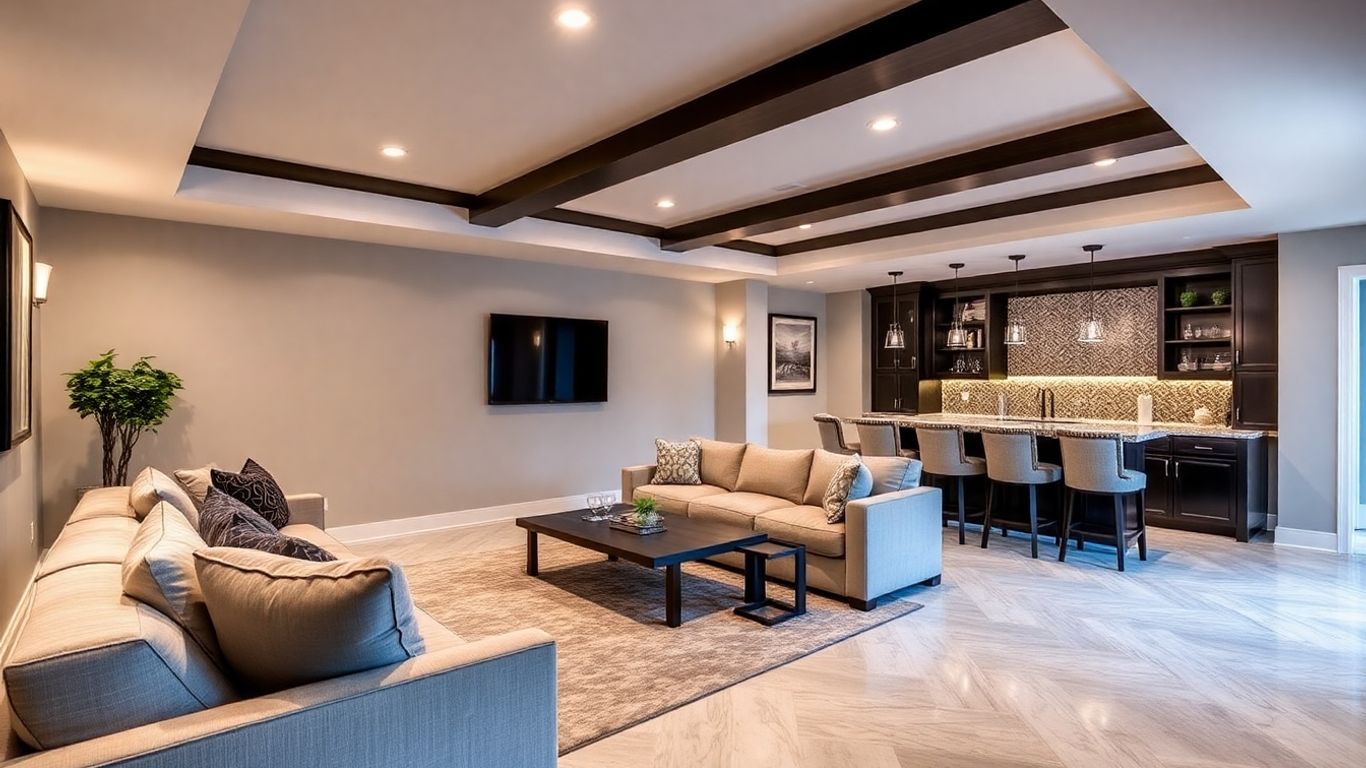
Transforming your unfinished basement in Chastain Park can add significant value and enjoyment to your home. Beyond just adding square footage, it’s about creating functional, beautiful spaces tailored to your lifestyle. Think about what you’ve always wanted in a home that your current layout doesn’t provide. Maybe it’s a dedicated spot for your hobbies, a place to entertain guests, or simply more comfortable living areas. This is your chance to make it happen.
Building a Custom Wine Cellar
For those with a growing collection, a custom wine cellar is a fantastic addition. It’s not just about storage; it’s about preservation and presentation. Proper temperature and humidity control are key to keeping your wines in optimal condition. You can design it to be a sophisticated tasting room, complete with comfortable seating and ambient lighting, or a more utilitarian, climate-controlled vault. Consider the racking system – from individual bottle storage to bulk storage, the options are plentiful. A well-designed wine cellar can be a real showstopper and a personal sanctuary.
Designing Entertainment and Game Areas
Basements are naturally suited for entertainment. Imagine a dedicated game room with a pool table or a home theater with a large screen and surround sound. You could also incorporate a bar area, complete with a mini-fridge and plenty of counter space for serving drinks and snacks. This creates a perfect spot for hosting friends and family, watching the big game, or just having a fun night in. Think about the flow of the space – how will people move between different activity zones? Good lighting is also important here, with options for both general illumination and task lighting for specific games or activities.
Adding Essential Living Spaces
Beyond the fun stuff, a basement remodel can also include practical living areas. This might mean adding an extra bedroom and bathroom, which is great for guests or a growing family. You could also create a cozy family room, a home office, or even a small gym. These additions make the basement a true extension of your home’s living space, increasing its overall functionality and appeal. When planning these areas, consider how they will connect to the rest of the basement and the main floor. Making sure there’s adequate natural light and good ventilation will make these spaces feel much more inviting and less like a typical basement.
Call to Action: Ready to transform your Chastain Park basement? The Remodel Group ATL General Contractors and Construction Company specializes in creating beautiful and functional living spaces. Contact us today to discuss your home remodeling project! Visit us at 730 Peachtree St NE #570, Atlanta, GA 30308, or call us to get started on your dream basement. We are your trusted home builders in Atlanta.
Material Selection and Aesthetic Touches
Choosing the right materials is key to making your Chastain Park basement remodel feel like a natural extension of your home, not just a finished basement. It’s about creating a cohesive look and feel that matches your personal style and the overall architecture of your house. Think about how you want the space to feel – cozy, modern, rustic? The materials you pick will set that tone.
Achieving a Tuscan Villa Feel
If you’re dreaming of a Tuscan villa vibe, you’ll want to lean into natural textures and earthy tones. Consider using stone or stone-look tiles for flooring, perhaps something with a bit of variation in color to mimic natural stone. For walls, a textured plaster finish can really bring that old-world charm to life. Wood beams on the ceiling are a fantastic way to add rustic character and visual interest. Exposed brick accents, whether on a feature wall or around a fireplace, also contribute to that authentic, warm feel. Don’t forget the details: wrought iron fixtures, terracotta accents, and perhaps some rustic wooden furniture can complete the look. It’s all about layering these elements to create a rich, inviting atmosphere.
Selecting Durable and Stylish Flooring
When it comes to basement flooring, durability and moisture resistance are big considerations, but that doesn’t mean you have to sacrifice style. Luxury vinyl plank (LVP) is a popular choice because it holds up well to moisture and wear, and it comes in a huge variety of styles, including realistic wood and stone looks. Engineered hardwood can also be a good option, but make sure it’s installed correctly to handle any potential humidity. For a more budget-friendly yet still attractive option, consider high-quality laminate flooring. It’s tough and can mimic the look of wood or tile very effectively. Whatever you choose, think about how it will tie into the overall design and how easy it will be to maintain. A good starting point for inspiration might be looking at design-build firms that showcase various material applications.
Utilizing Wood Beams and Brick Accents
Incorporating wood beams and brick accents can dramatically change the character of your basement space. Exposed wood beams, whether reclaimed or new, add a sense of warmth and architectural detail, especially in rooms with higher ceilings. They can be stained to match your existing decor or left natural for a more rustic feel. Brick, whether it’s a full accent wall or just a few carefully placed elements like a fireplace surround or a small partition, brings texture and a touch of industrial or old-world charm. You can use real brick veneer or even faux brick panels for a similar effect with less weight and complexity. These materials work well together, creating a layered look that feels both grounded and sophisticated. Think about how these elements can define different zones within your basement, like separating a living area from a dining space.
Ready to bring your basement vision to life? The Remodel Group ATL is your go-to for transforming unfinished spaces into beautiful, functional areas. Contact us today for a consultation!
The Remodel Group ATL
General Contractors and Construction Company, Home Remodeling and Home Builders
730 Peachtree St NE #570, Atlanta, GA 30308
Navigating Renovation Challenges
[{"h2":"Navigating Renovation Challenges","h3s":[{"h3":"Managing Existing Ductwork and Ceilings","content":"Basement remodels often run into snags with the existing structure, especially when it comes to ductwork and ceilings. You’ll find a lot of pipes and vents running through what would be your new living space. Figuring out how to work around these or conceal them neatly is key. Sometimes, you can box them in with drywall, creating soffits that can actually add a design element. Other times, you might consider a drop ceiling, though this can lower the perceived height of the room. It’s a balancing act between hiding the mechanics and keeping the space feeling open and airy. We had a project where the ductwork was really low, so we ended up recessing it into the ceiling and then using a darker paint color on the exposed parts to make them blend in. It wasn’t ideal, but it worked."}]}},{"h3":"Modifying Entryways for Better Access","content":"Getting into your newly finished basement shouldn’t feel like a chore. Often, existing basement entrances are narrow or awkward. You might need to widen doorways or even reconfigure staircases to make them more user-friendly and code-compliant. Think about how you’ll move furniture down there too; a tight turn can be a real headache. We recently worked on a home where the original basement stairs were quite steep and narrow. We ended up adjusting the landing and widening the stairwell, which made a huge difference in how accessible the space felt. It also opened up possibilities for bringing in larger items later on."}]}},{"h3":"Addressing Water Damage and Foundation Issues","content":"This is probably the most important part of any basement remodel. Before you even think about drywall and paint, you need to make sure your foundation is sound and there are no signs of water intrusion. Old homes, especially, can have issues with moisture. You’ll want to check for any damp spots, efflorescence (that white powdery stuff on concrete), or cracks in the foundation walls. If you find any problems, it’s best to get a professional to assess and fix them before you start finishing the space. Ignoring these can lead to bigger, more expensive problems down the line, like mold or structural damage. It’s better to be safe than sorry when it comes to your home’s foundation."}]}}]
Enhancing Basement Livability
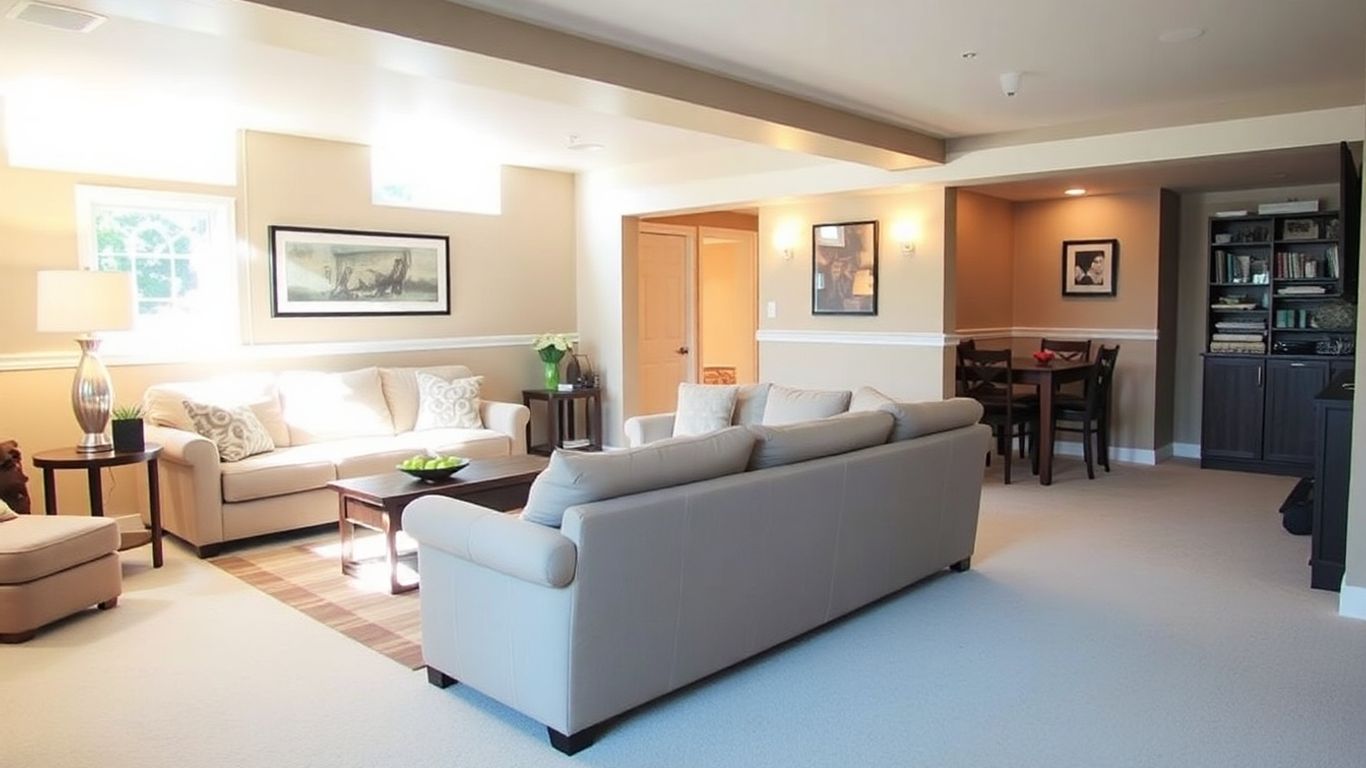
Making a basement feel like a natural part of your home, rather than just a forgotten space, is all about the details. It’s about creating areas where you actually want to spend time, whether that’s relaxing, entertaining, or just getting things done. Think about how you’ll use the space day-to-day. Comfort and usability are key to a successful basement remodel.
Creating Comfortable Seating Areas
When designing your basement living space, comfortable seating is a must. Consider a mix of seating options to accommodate different needs. A large sectional sofa is great for family movie nights, while a couple of cozy armchairs can create a nice reading nook. Don’t forget about ottomans or poufs for extra footrests or even impromptu seating. Think about the flow of the room when placing your furniture; you don’t want to block pathways or make it feel cramped. Adding throw pillows and blankets can make the space feel even more inviting and warm, especially in a basement that might otherwise feel a bit cool.
Integrating Modern Appliances and Fixtures
Basements often lack the modern conveniences found upstairs, but a remodel is the perfect time to add them. This could mean installing a wet bar with a mini-fridge and sink, perfect for entertaining. If you’re adding a bathroom, opt for stylish fixtures that match the overall aesthetic of your home. Consider energy-efficient appliances to help keep utility costs down. Even small touches, like updated lighting fixtures or a smart thermostat, can make a big difference in the overall feel and functionality of your finished basement. For those looking to create a dedicated entertainment zone, integrating a sound system or a projector setup can really bring the space to life.
Ensuring Proper Lighting and Ventilation
Lighting is often one of the biggest challenges in basement remodels, but it’s also one of the most important factors for livability. You’ll want a layered lighting approach. Recessed lighting can provide general illumination, while task lighting, like pendant lights over a bar or reading lamps in seating areas, can be more focused. Don’t underestimate the impact of accent lighting to highlight architectural features or artwork. Good ventilation is also critical. Basements can sometimes feel damp or stuffy, so installing an effective HVAC system or at least a good ventilation fan is important for air quality and comfort. Proper airflow helps prevent mold and mildew, keeping your new space healthy and pleasant.
A well-lit and well-ventilated basement feels more like a natural extension of your home, encouraging you to use and enjoy the space year-round. It transforms a potentially dark and unused area into a bright, inviting, and functional part of your house.
Ready to transform your Chastain Park basement into a livable, enjoyable space? The Remodel Group ATL General Contractors and Construction Company are experts in home remodeling and building. Contact them today at 730 Peachtree St NE #570, Atlanta, GA 30308 to discuss your project and get started on creating the basement of your dreams. They can help you with everything from design to the final touches, making the process smooth and stress-free. Let them help you bring your vision to life and add significant value to your home. You can find more resources for home remodeling in areas like Sandy Springs.
Make your basement a more enjoyable space! We can help you transform it into a cozy living area or a fun place for the family. Ready to see what’s possible? Visit our website to explore ideas and get a free quote today!
Wrapping Up Your Basement Project
So, you’ve seen how a little imagination and some hard work can completely change an unfinished basement. It’s not just about adding square footage; it’s about creating a space that fits your life, whether that’s for family movie nights, a quiet reading nook, or even a place to show off that growing wine collection. Remember, even with tricky layouts or low ceilings, creative solutions exist. Think about how you use your home and what would make it better. A well-done basement remodel can really make a difference, turning that forgotten area into a favorite spot in the house. It’s a big undertaking, for sure, but the end result is usually well worth the effort.
Frequently Asked Questions
What’s the first step in planning a basement remodel?
Before you start picking out paint colors, figure out what you want your basement to be. Do you need another bedroom, a fun game room, or maybe a cozy spot to watch movies? Knowing the main goal helps you plan everything else, from the layout to the budget.
How much does a basement remodel typically cost?
The cost can really change depending on what you want to do. Simple projects might be around $27,000, while bigger makeovers with lots of features could go up to $78,000 or even more. It’s smart to get a few quotes and set a budget you’re comfortable with.
What are some common challenges when remodeling a basement?
Basements often have things like low ceilings, pipes, and air ducts that can be tricky to work around. Sometimes, you might need to change doorways for better access or deal with old water issues. Planning ahead for these problems is key.
How can I make my basement feel less like a basement?
Adding more light is a big help! Think about adding windows or using brighter lights. Using light colors on the walls and choosing flooring that makes the space feel bigger can also make a huge difference. Materials like wood beams and brick can add warmth and style.
What features are popular in basement remodels?
Many people love adding special areas like a custom wine cellar for their collection, or a fun game room with a pool table. Other popular additions include home theaters, extra bedrooms, and nice bathrooms to make the space feel like a real part of the home.
Do I need to worry about the basement’s structure?
Yes, it’s important! You’ll want to check the foundation and make sure everything is solid. Sometimes, you might need to reinforce walls or deal with moisture. It’s a good idea to have a professional check things out to make sure your new space is safe and sound.