
Thinking about remodeling your home in Druid Hills? Finding the right Druid Hills home remodeling contractor near me can feel like a big task. You want someone reliable, skilled, and easy to work with. This guide will help you figure out how to find that perfect contractor and what to expect during your home improvement project.
Key Takeaways
- When looking for a Druid Hills home remodeling contractor near me, check their experience with similar projects and ask for references.
- Understand all the services a general contractor provides, from planning to managing subcontractors.
- Always ask potential contractors detailed questions about their process, timeline, and how they handle changes.
- Compare bids carefully, looking at the details, not just the price, and review contracts thoroughly.
- Clarify payment schedules, warranties, and how potential budget overruns or changes will be managed.
1. Finding Local General Contractors in Druid Hills
Finding the right general contractor in Druid Hills for your home remodeling project is a big step. It’s like picking a captain for your ship; you want someone who knows the waters, can steer clear of trouble, and will get you to your destination smoothly. Think of them as the main organizer for your entire renovation. They’re the ones who’ll be hiring and managing all the different tradespeople – the plumbers, electricians, painters, and so on – making sure everyone’s doing their job right and on time. Plus, they handle all the paperwork, like permits and inspections, and keep a close eye on the budget and schedule. It really takes a lot of the stress off your shoulders.
Where to Start Your Search
So, where do you even begin looking for these project wizards? Your best bet is to start with local resources. Ask friends, family, or neighbors in Druid Hills if they’ve had any good experiences with contractors. Word-of-mouth referrals are gold. You can also check online directories and review sites. These platforms often let you see photos of past projects, read what other homeowners have said, and even compare different professionals. It’s a good way to get a feel for who’s out there and what they specialize in. Remember, you’re looking for someone with local knowledge of Druid Hills and a solid track record.
What to Look For in a Contractor
When you’re sifting through potential candidates, keep a few key things in mind. First, experience matters. How long have they been in business? Have they tackled projects similar to yours before? A contractor who’s done multiple kitchen remodels, for instance, will likely have a better handle on that specific type of job than someone who’s only done additions. Also, check their credentials. Are they properly licensed and insured? This protects you in case something goes wrong. Don’t be shy about asking for proof of both. It’s also important to gauge their communication style. Do they explain things clearly? Do they seem responsive to your questions? Good communication is going to be vital throughout the entire project.
Evaluating Initial Contractor Information
Once you’ve got a shortlist, it’s time to do a bit more digging. Look at their portfolio – do you like the style and quality of their previous work? Read reviews carefully; look for patterns in what people are saying, both good and bad. A contractor who has a lot of positive feedback about their attention to detail and professionalism is usually a safe bet. It’s also helpful to see if they have experience with the specific type of work you need done, whether it’s a full house remodel or a more specialized job like interior painting.
For your Druid Hills home remodeling needs, consider reaching out to The Remodel Group ATL General Contractors and Construction Company, Home Remodeling and Home Builders. They are located at 730 Peachtree St NE #570, Atlanta, GA 30308.
2. Understanding General Contractor Services
When you’re looking to remodel your home in Druid Hills, understanding what a general contractor actually does is pretty important. Think of them as the main point person for your entire project. They’re not just showing up to swing a hammer; they’re managing everything from start to finish. This means they handle the big picture stuff like planning, budgeting, and getting all the necessary permits. They’re also the ones who hire and coordinate all the different skilled workers – the plumbers, electricians, painters, and so on. It’s a lot to keep track of, and that’s why their role is so key.
Project Management and Coordination
At its core, a general contractor’s job is project management. They take your vision and make it a reality by overseeing every single step. This includes:
- Developing a detailed project plan: This covers everything from initial design to final walkthrough.
- Hiring and managing subcontractors: They find reliable tradespeople and ensure they’re scheduled correctly.
- Procuring materials: They handle ordering and making sure supplies arrive on time.
- Ensuring quality control: They inspect the work as it progresses to make sure it meets standards.
- Communicating progress: They keep you in the loop about what’s happening and when.
Types of Remodeling Services
General contractors handle a wide range of home improvement projects. Whether you’re thinking about a small update or a major overhaul, they can manage it. Some common services include:
- Full-home renovations: Tackling multiple rooms or the entire house.
- Kitchen and bathroom remodels: These often involve coordinating many different specialists.
- Home additions: Adding extra space like bedrooms, bathrooms, or even a second story.
- New home construction: Building a house from the ground up, working with architects.
It’s really about having one point of contact who takes the stress out of the process. They’re the ones who deal with the day-to-day complexities, so you don’t have to. This allows you to focus on the exciting parts of seeing your home transform.
For homeowners in the Atlanta area looking for reliable professionals, The Remodel Group ATL General Contractors and Construction Company is a great place to start. They handle a variety of home remodeling and building projects. You can find them at 730 Peachtree St NE #570, Atlanta, GA 30308. They are known for their work in the area and can help bring your Druid Hills home remodeling ideas to life.
3. Key Questions to Ask Potential Contractors
When you’re ready to talk to contractors about your Druid Hills home remodeling project, having a solid list of questions is super important. It helps you get a clear picture of who they are, how they work, and if they’re the right fit for your home. Don’t be shy about asking; this is your home, and you want to make sure you’re working with someone you trust.
Experience and Project History
- How long have you been in business?
- Can you show me examples of similar projects you’ve completed in the Druid Hills area?
- What types of projects do you specialize in?
Team and Subcontractors
- Who will be the main point of contact for my project?
- Will you be using subcontractors, and if so, how do you vet them?
- Are your subcontractors licensed and insured?
Licensing, Insurance, and References
- Can you provide proof of your general contractor’s license and insurance?
- Could you give me a list of recent clients I can contact for references?
- Do you have any professional affiliations or certifications?
Project Management and Communication
- What is your typical project timeline for a job like mine?
- How will you keep me updated on the project’s progress?
- What will you need from me to keep the project on schedule?
Bids, Contracts, and Payments
- How do you handle pricing, including potential changes and budget overruns?
- What type of contract do you use, and what documentation will be provided?
- What is your payment schedule and deposit requirement?
Warranties and Guarantees
- What warranties or guarantees do you offer on your completed work?
- How do you handle any issues or disputes that might arise during or after construction?
Asking these questions upfront can save a lot of headaches down the road. It’s about building a relationship based on clear communication and trust. A good contractor will be happy to answer everything thoroughly.
Ready to find a reliable team for your project? Consider reaching out to The Remodel Group ATL General Contractors and Construction Company for your home remodeling and building needs.
4. Evaluating Contractor Bids and Pricing
Once you’ve got a few potential contractors lined up, the next big step is looking at their bids. This is where you really start to compare apples to apples, or at least try to. A good bid isn’t just a number; it’s a detailed breakdown of what you’re paying for. You want to see clear line items for materials, labor, and any subcontractors involved. Don’t be afraid to ask for clarification if something looks fuzzy. Sometimes, a bid might seem low, but it could be missing key details or allowances for things like fixtures. That’s a red flag. It’s also smart to compare bids side-by-side, looking at the overall value, not just the bottom line. Remember, the cheapest option isn’t always the best choice for your home remodel.
What to Look For in a Bid
When you get those bid documents, take a deep breath and go through them carefully. Here’s a quick checklist of what should be included:
- Detailed Cost Breakdown: This should cover materials, labor, permits, and subcontractor costs. Any allowances for finishes (like tile or countertops) should be clearly stated.
- Project Timeline: A realistic schedule for when work will start and finish, broken down into phases if possible.
- Payment Schedule: How and when payments are expected throughout the project.
- Scope of Work: A clear description of exactly what the contractor will do.
- What’s NOT Included: Just as important as what’s included, this clarifies any exclusions.
Comparing Bids
It’s really helpful to create a simple chart to compare the bids you receive. This makes it easier to spot differences and potential issues. You can list each contractor across the top and the bid components down the side.
| Item | Contractor A | Contractor B | Contractor C |
|---|---|---|---|
| Total Project Cost | $50,000 | $52,000 | $48,000 |
| Materials | $20,000 | $21,000 | $19,000 |
| Labor | $25,000 | $26,000 | $24,000 |
| Subcontractors | $5,000 | $5,000 | $5,000 |
| Estimated Start Date | June 1st | June 15th | May 20th |
| Estimated Completion | Aug 1st | Aug 10th | July 25th |
Be wary of bids that are significantly lower than others. It might mean they’ve overlooked something important or are planning to cut corners. Always ask for an explanation if a price seems too good to be true.
When you’re ready to discuss your project and get a detailed quote, consider reaching out to The Remodel Group ATL General Contractors and Construction Company, Home Remodeling and Home Builders. They can help you understand the pricing for your specific needs. You can find them at 730 Peachtree St NE #570, Atlanta, GA 30308. They are a great resource for planning a historic home renovation in the Metro Atlanta area.
5. Reviewing Contractor Contracts and Timelines
Once you’ve picked a contractor, the next big step is really digging into the contract and the proposed timeline. This isn’t just paperwork; it’s the roadmap for your entire project. A solid contract protects both you and the contractor, laying out exactly what’s expected, when, and for how much.
Contract Essentials
When you get that contract, don’t just skim it. Look for a few key things:
- Scope of Work: Does it clearly detail every single task, from demolition to the final paint touch-ups? Vague descriptions can lead to misunderstandings later.
- Materials: Are specific brands, models, or quality levels for materials listed? If not, understand what
6. Checking Contractor References and Reviews

Once you’ve narrowed down your list of potential contractors, the next step is to really dig into what past clients have to say. This is where you get the real scoop, beyond the sales pitch. Don’t just take their word for it; see what actual homeowners experienced.
Ask for References
A reputable contractor will happily provide you with a list of recent clients. When you get this list, don’t just glance at it. Actually call them! Ask specific questions about their experience. Were they happy with the work? Was the project completed on time and within budget? How did the contractor handle any unexpected issues that came up? Were they easy to communicate with? Did they clean up the site daily?
Read Online Reviews
Beyond direct references, check out online reviews. Sites like Google, Yelp, and even specialized home improvement platforms can offer a wealth of information. Look for patterns in the reviews – are multiple people mentioning the same positive or negative points? Pay attention to how the contractor responds to negative reviews, if any. A good response can show they care about customer satisfaction, even when things go wrong.
Look at Past Projects
If possible, ask to see photos of their completed work, especially projects similar to yours. Some contractors might even let you visit a finished job site. Seeing the quality of their craftsmanship firsthand is incredibly telling. For example, if you’re planning a kitchen remodel, seeing a beautifully done kitchen from CER Design Build can give you a good idea of their capabilities.
What to Look For:
- Communication: Was the contractor responsive and clear in their communication?
- Timeliness: Did they stick to the agreed-upon schedule?
- Budget: Did the final cost match the initial estimate, or were there significant, unexplained overages?
- Quality of Work: Is the finished product durable and aesthetically pleasing?
- Professionalism: Were the crew respectful of your home and property?
Remember, past performance is often a good indicator of future results. Taking the time to thoroughly check references and reviews can save you a lot of headaches down the road.
Ready to find a contractor you can trust for your Druid Hills home remodeling project? Consider reaching out to The Remodel Group ATL General Contractors and Construction Company. They are located at 730 Peachtree St NE #570, Atlanta, GA 30308, and are known for their home remodeling and home building services.
7. Understanding Contractor Payment Schedules
When you’re remodeling your home, figuring out how and when to pay your contractor is a big deal. It’s not just about handing over cash; it’s about making sure you’re protected and the project stays on track. Most contractors have a payment schedule, and it’s usually tied to the progress of the work. This helps both you and the contractor feel secure.
Typical Payment Structures
Payment schedules can vary, but they often follow a pattern based on project milestones. Here’s a common way it works:
- Initial Deposit: You’ll usually pay a deposit upfront, often around 10-30% of the total project cost. This secures your spot on the contractor’s schedule and covers initial material purchases.
- Progress Payments: As the project moves forward, you’ll make payments at specific stages. These might be tied to completing certain phases, like framing, electrical rough-in, or drywall installation.
- Final Payment: The last payment is typically made after the project is fully completed, inspected, and you’re satisfied with the work. Sometimes, a small portion might be held back until any minor punch list items are addressed.
What to Look For in a Payment Schedule
It’s important to have a clear, written agreement about payments. Look for these things:
- Clear Milestones: The schedule should clearly define what work needs to be completed for each payment.
- Reasonable Deposit: A deposit that’s too high might be a red flag. Most reputable contractors ask for a reasonable amount to cover initial costs.
- No Large Payments Upfront: Avoid contractors who want a huge chunk of the money before any work even begins.
- Lien Waivers: Ask for lien waivers from the contractor and subcontractors. This protects you if they don’t pay their suppliers or workers.
A well-defined payment schedule protects both parties. It ensures the contractor has funds to keep the project moving and gives you control over payments, linking them to tangible progress. Always get this in writing as part of your contract.
For reliable home remodeling services in the Druid Hills area, consider reaching out to The Remodel Group ATL. They are located at 730 Peachtree St NE #570, Atlanta, GA 30308.
8. Contractor Warranties and Guarantees
When you’re investing a lot of money into remodeling your Druid Hills home, you want to know that the work is backed up by something solid. That’s where warranties and guarantees come in. They’re basically the contractor’s promise that they stand behind their work and the materials they use. It’s a really important part of the whole process, giving you some peace of mind.
What to Expect from Warranties
Most reputable contractors will offer some kind of warranty on their labor. This usually covers issues that might pop up due to how the work was done. For example, if a tile starts to loosen or a paint job starts peeling prematurely because it wasn’t applied right, the labor warranty should cover fixing that. It’s not a guarantee against wear and tear or damage you might cause, but it’s about the quality of the installation itself.
Material Warranties
Beyond labor, there are also warranties on the materials used. These come directly from the manufacturers of things like windows, doors, appliances, roofing, and flooring. The length and terms of these warranties can vary a lot. Some might be for a year, others for 10, 20, or even a lifetime. It’s important to understand what each material warranty covers – sometimes it’s defects, other times it might be about performance. Keep all the warranty paperwork organized; you’ll need it if something goes wrong down the line.
Understanding the Fine Print
It’s really important to read the warranty documents carefully. What exactly is covered? What’s excluded? Are there specific maintenance requirements you need to follow to keep the warranty valid? For instance, some flooring might need specific cleaning products, or certain appliances might need regular check-ups. Not following these could void the warranty, which would be a real bummer.
What if Something Goes Wrong?
If you notice an issue that you believe is covered by a warranty, the first step is always to contact your general contractor. They are usually the primary point of contact and will help you navigate the process, whether it’s a labor issue they fix themselves or a manufacturer defect they help you claim. Having a good relationship with your contractor makes this much smoother. For top-notch service and reliable project management, consider reaching out to The Remodel Group ATL General Contractors and Construction Company. They are located at 730 Peachtree St NE #570, Atlanta, GA 30308.
Key Takeaways:
- Labor Warranties: Cover issues arising from the contractor’s workmanship.
- Material Warranties: Provided by manufacturers for specific products.
- Read Carefully: Understand coverage, exclusions, and maintenance requirements.
- Keep Records: Organize all warranty information and receipts.
- Contact Contractor: They are your first point of contact for warranty claims.
9. Handling Change Orders and Budget Overruns
Even with the best planning, home renovations in Druid Hills can sometimes hit unexpected bumps. This is where understanding how your contractor handles change orders and potential budget overruns becomes really important. A change order is basically a formal document that records any modifications to the original project scope, like adding a feature or changing materials mid-project. It also details any cost adjustments that come with these changes.
What is a Change Order?
A change order is a written amendment to the original contract. It should clearly outline the specific change, the reason for it, the cost impact, and any effect on the project timeline. Both you and the contractor should sign off on it before any extra work begins. This protects both parties by making sure everyone is on the same page about what’s being done and how much it will cost.
Why Do Change Orders Happen?
Several things can trigger a change order. Sometimes, it’s a client request for something new or different after the project has started. Other times, it might be due to unforeseen issues discovered during demolition, like hidden water damage or outdated electrical wiring that needs upgrading to meet current codes. The contractor might also issue one if material costs increase significantly beyond what was initially quoted. It’s good to have a plan for these possibilities.
Managing Budget Overruns
Budget overruns can occur if the scope of work changes significantly or if unexpected problems arise. A good contractor will communicate these potential issues to you as soon as they are identified. They should provide options for how to proceed, whether that means adjusting the scope, using alternative materials, or approving additional funds. Open communication is key to managing budget concerns effectively.
Tips for Handling Changes:
- Get it in writing: Always ensure all changes are documented with a signed change order. Never agree to verbal changes for significant modifications.
- Understand the costs: Before approving a change order, make sure you understand exactly how it impacts the total project cost and the timeline.
- Review bids carefully: When comparing bids, look for how each contractor addresses potential changes and what their process is for managing them. This can give you insight into their professionalism and preparedness.
- Maintain a contingency fund: It’s wise to set aside an extra 10-20% of your total budget for unexpected issues or changes. This buffer can prevent a small problem from becoming a major financial headache.
When you’re ready to discuss your remodeling project and how we can manage changes and budgets, reach out to The Remodel Group ATL General Contractors and Construction Company. We’re here to help make your home improvement journey as smooth as possible. You can find us at 730 Peachtree St NE #570, Atlanta, GA 30308, or learn more about our home remodeling services.
10. The Role of Architects and Subcontractors
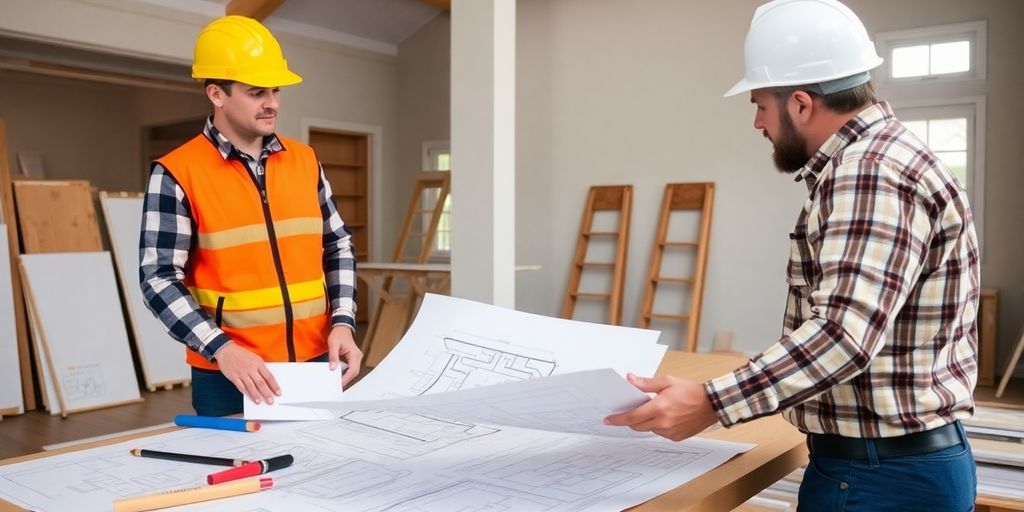
When you embark on a home remodeling project in Druid Hills, understanding the different players involved is key to a smooth process. While your general contractor is the main point person, architects and subcontractors are vital members of the team. Architects help bring your vision to life on paper, creating detailed plans that guide the entire construction. They’re involved in the design phase, ensuring everything is structurally sound and aesthetically pleasing. Think of them as the master planners.
The Architect’s Contribution
An architect’s role often starts before you even hire a general contractor. They translate your ideas into blueprints, specifying materials, dimensions, and structural requirements. This detailed documentation is what contractors and subcontractors will follow. For larger or more complex renovations, like adding a second story or a major layout change, an architect is almost always necessary. They can also help with navigating building codes and permits, which can be a real headache if you’re not familiar with them. Having a good architect on board means your project starts with a solid foundation of design and planning.
Understanding Subcontractors
Subcontractors are the skilled tradespeople who perform specific tasks within the larger project. Your general contractor hires and manages them. This typically includes:
- Electricians: For all wiring, lighting, and electrical system installations.
- Plumbers: For water supply, drainage, and fixture installations.
- HVAC Technicians: For heating, ventilation, and air conditioning systems.
- Carpenters: For framing, trim work, and custom cabinetry.
- Painters: For interior and exterior finishing.
- Roofers, Masons, Drywall Installers, and many others depending on the project’s scope.
The general contractor’s job is to coordinate these specialists, ensuring their work is done correctly, on time, and in sync with the overall project schedule. They are the ones who make sure the plumber doesn’t interfere with the electrician’s work, for example. It’s a complex juggling act that requires good communication and project management skills. If you’re looking for a team that understands this intricate coordination, consider checking out The Remodel Group ATL for your home remodeling needs.
Collaboration is Key
Effective communication between the homeowner, architect, and general contractor is paramount. The general contractor acts as the liaison, relaying information and decisions between you and the architect, as well as managing the subcontractors. Sometimes, the architect might need to consult with the general contractor or a subcontractor to clarify a detail in the plans. This collaborative approach helps prevent misunderstandings and ensures the final result matches your vision. It’s a team effort, and when everyone works together well, your Druid Hills home remodel will be a much more positive experience. Remember, a well-managed project relies on the expertise of all involved parties, from the initial design concepts to the final finishing touches.
When you’re fixing up your home, architects and subcontractors are super important. They help make sure everything goes smoothly and looks great. Think of them as your home’s dream team! Want to see how we can help bring your home ideas to life? Visit our website to learn more about our services and see our past projects.
Wrapping Up Your Druid Hills Remodeling Project
So, you’ve gone through the steps to find a great contractor in Druid Hills. It’s a big deal, and it’s smart to take your time. Remember to check out reviews, ask for references, and really talk through your project with them. Getting a few bids and comparing them carefully will help you find someone who fits your budget and your style. A good contractor can make all the difference, turning your house dreams into reality without too much stress. Good luck with your home improvement journey!
Frequently Asked Questions
What exactly does a general contractor do?
A general contractor is like the main boss for your home building or remodeling project. They handle all the important stuff, like hiring the right workers, making sure the job is done well, and keeping you updated. They also deal with permits and budgets to keep everything on track. Basically, they take the stress away and make sure your project turns out great.
Is it really worth hiring a general contractor?
Hiring a general contractor is usually a really good idea, especially for bigger projects. They have the experience to spot and fix problems before they get serious. Plus, they manage everything efficiently, saving you time and hassle. They work with skilled pros to ensure quality work, giving you peace of mind that your project will be completed successfully.
How do I find a good general contractor in my area?
You can find local contractors by looking through online directories or asking friends for recommendations. Many websites let you see their past projects, read what other customers say, and compare different professionals. It’s a good idea to reach out to a few you like, share your ideas, and then compare their price quotes.
What should I look for in a contractor’s price quote?
When you get a price quote, make sure it’s detailed. It should break down the costs for materials, labor, and any other workers. Also, check the project’s timeline and how payments will be made. Be wary of quotes that are vague or much lower than others, as this could mean trouble down the road. Always compare quotes carefully.
What key questions should I ask a contractor before hiring them?
It’s smart to ask contractors about their experience with similar projects. Also, find out who will be working on your home and what kind of workers they hire. Always ask for references and proof that they are licensed and insured. Knowing how they handle unexpected costs or changes is also important.
What kind of warranties or guarantees do contractors usually provide?
Most contractors offer some kind of guarantee or warranty on their work. This means if something goes wrong with their work shortly after the project is finished, they’ll come back and fix it. Always ask about these guarantees and make sure you understand what they cover.