
Thinking about updating your home in Peachtree City? It’s a big job, and finding the right person to help is key. You want someone reliable, skilled, and local – basically, a trustworthy Peachtree City remodeling contractor near me. This guide will walk you through what these pros do, what to look for when you get estimates, and how to make sure your project goes smoothly from start to finish. We’ll cover everything from understanding bids to checking references, so you can feel confident about your choice.
Key Takeaways
- General contractors manage your entire home project, coordinating workers and handling permits and budgets.
- When getting bids, look for clear breakdowns of costs, timelines, and what’s included (or not included).
- Always ask potential contractors about their experience, licensing, insurance, and how they handle changes.
- Compare bids carefully, focusing on completeness and value, not just the lowest price.
- Checking references and reviews, and carefully reading contracts, are important steps before starting work.
1. Finding General Contractors in Peachtree City
When you’re ready to start that home renovation or build in Peachtree City, finding the right general contractor is your first big step. Think of them as the main organizer for your entire project. They’re the ones who will hire all the different skilled people needed, like plumbers, electricians, and painters, and make sure everyone is doing their job right and on time. They also handle all the paperwork, like permits, and keep an eye on the budget and the schedule. Basically, they take the stress out of the process for you.
Where to Look for Contractors
So, how do you actually find these project managers in Peachtree City? One good way is to check out online platforms that list local professionals. You can often see photos of their past work, read what other clients have said, and get a feel for their style. Don’t be afraid to reach out to a few that catch your eye. Share your ideas and see who seems like a good fit. It’s also smart to ask friends or neighbors if they have any recommendations from projects they’ve had done.
What to Consider When Choosing
When you start getting quotes, it’s important to look beyond just the price. A good bid will break down all the costs clearly – materials, labor, and any subcontractors. It should also give you a realistic timeline and explain how they handle any changes that might come up during the project. Always compare bids carefully, looking at what’s included and the overall value, not just the bottom line. Remember, the cheapest option isn’t always the best one in the long run.
Getting Started with The Remodel Group ATL
If you’re looking for a reliable team to manage your Peachtree City project, consider The Remodel Group ATL General Contractors and Construction Company. They specialize in home remodeling and building, aiming to bring your vision to life with quality craftsmanship. You can find them at 730 Peachtree St NE #570, Atlanta, GA 30308. Reaching out to them is a great way to get a professional perspective on your project and see how they can help you achieve the results you’re looking for. They are a good example of the kind of experienced teams that can make a real difference in your construction or remodeling project, like those offered by Pfeifer Build.
2. What General Contractors Do
Think of a general contractor (GC) as the main point person for your remodeling project. They’re the ones who manage everything from start to finish, so you don’t have to juggle all the different moving parts yourself. Their primary job is to bring your vision to life by coordinating all the necessary trades and materials. They handle the big picture stuff, like making sure permits are in order and the budget stays on track, while also overseeing the day-to-day operations on site.
Hiring and Managing Subcontractors
General contractors don’t usually do all the work themselves. Instead, they have a network of trusted subcontractors – think electricians, plumbers, painters, and carpenters. The GC hires these specialists, schedules their work, and makes sure they’re doing a good job. It’s like being the conductor of an orchestra; the GC ensures everyone plays their part at the right time and in harmony.
Project Planning and Oversight
Before any work even begins, a GC is involved in planning. This includes reviewing blueprints, creating a realistic timeline, and setting up a budget. Once construction starts, they’re on-site regularly, checking the quality of the work, solving any problems that pop up, and keeping you informed about the project’s progress. They’re essentially the guardians of your project’s timeline and budget.
Communication Hub
Your general contractor acts as the central point of contact for everyone involved – you, the subcontractors, architects, and even building inspectors. This streamlines communication significantly. Instead of you having to chase down different workers for updates, you get consolidated information from your GC. This makes the whole process much smoother and less stressful for you.
For reliable project management and skilled execution in the Atlanta area, consider The Remodel Group ATL. They specialize in home remodeling and are known for their quality construction services. Located at 730 Peachtree St NE #570, Atlanta, GA 30308, they are a great option for your next project.
3. Services General Contractors Provide
General contractors are the master organizers of your home renovation or building project. They don’t just show up and swing a hammer; they manage the entire process from start to finish. Think of them as the conductor of an orchestra, making sure every instrument plays its part at the right time. They handle everything from initial planning and budgeting to the final walkthrough, coordinating all the different trades and materials needed.
Project Planning and Management
This is where the contractor really shines. They take your ideas and turn them into a workable plan. This includes:
- Developing a detailed budget and schedule.
- Obtaining necessary permits and scheduling inspections.
- Overseeing day-to-day operations on the job site.
- Ensuring the project stays on track and within budget.
Subcontractor Coordination
General contractors have a network of trusted specialists they work with. They’ll hire and manage electricians, plumbers, HVAC technicians, painters, drywallers, and more. They make sure these pros show up when needed and do their jobs correctly, coordinating their efforts so one trade doesn’t hold up another. This is a huge time-saver for homeowners.
Material Procurement and Logistics
Sourcing the right materials at the right price is a big part of the job. Your general contractor will handle ordering, scheduling deliveries, and making sure everything arrives on site when it’s supposed to. This prevents delays and ensures you have the correct items for the job, whether it’s lumber, fixtures, or custom cabinetry. For example, if you’re looking for custom kitchen cabinets, they can help you find the right supplier and manage the installation process. You can explore options for home renovations with companies like Edge Renovation LLC.
Quality Control and Problem Solving
Throughout the project, the general contractor is responsible for quality control. They’ll inspect the work being done by subcontractors to make sure it meets standards. If issues pop up – and they often do in construction – the contractor is the one who figures out how to solve them efficiently, minimizing disruption and cost.
A good general contractor acts as your advocate, protecting your interests and ensuring the final result matches your vision and expectations. They bring order to what can otherwise be a chaotic process.
For homeowners in Peachtree City looking for a reliable team to manage their remodeling projects, The Remodel Group ATL General Contractors and Construction Company, Home Remodeling and Home Builders, located at 730 Peachtree St NE #570, Atlanta, GA 30308, offers a wide range of services to bring your vision to life.
4. What to Look For in a Contractor’s Bid
When you get a bid from a contractor, it’s like getting a detailed map for your project’s financial journey. You really want to make sure it’s clear and covers everything. First off, look for a breakdown of costs. This means seeing separate line items for materials, labor, and any subcontractors they plan to use. It’s also good to see allowances for things like fixtures or finishes, which are estimates for items you’ll pick out later. A bid that just gives you a single total number? That’s usually a red flag. It doesn’t tell you where your money is going.
Next, pay close attention to the project timeline. When will they start? When do they expect to finish? A good bid will give you a realistic schedule. Also, check the payment schedule. How much do they want upfront? How are payments structured throughout the project? You don’t want to pay too much upfront, and you want to make sure payments align with completed work.
Here’s a quick checklist of what to look for:
- Detailed cost breakdown (materials, labor, subcontractors)
- Clear project start and end dates
- Payment schedule and deposit requirements
- What’s not included in the price (this is important!)
- Process for handling changes or unexpected issues
Be wary of bids that seem too good to be true. Often, a significantly lower price means the contractor might be cutting corners, using cheaper materials, or has missed something important in their estimate. It’s always better to go with a contractor who provides a thorough, well-explained bid, even if it’s not the absolute lowest.
Don’t be afraid to ask questions if anything is unclear. A good contractor will be happy to explain their bid. For example, if you’re looking for a reliable team for your home renovations, consider reaching out to The Remodel Group ATL General Contractors and Construction Company. They are located at 730 Peachtree St NE #570, Atlanta, GA 30308, and can help with your home remodeling and building needs.
5. Questions to Ask Potential Contractors
When you’re ready to talk to contractors about your remodeling project, having a solid list of questions is key. It helps you get a clear picture of who you’re working with and how they operate. Don’t be shy about asking anything that comes to mind; it’s better to know upfront than to be surprised later.
Experience and Background
- How long has your company been in business?
- Can you provide examples of similar projects you’ve completed in the Peachtree City area?
- Are you licensed and insured? Can I see proof of both?
Project Management and Timeline
- Who will be the main point of contact for my project?
- What is your typical project timeline for a job like mine?
- How do you handle unexpected delays or issues that might arise?
Bids and Contracts
- Can you provide a detailed breakdown of the costs involved?
- What is your payment schedule and what is the required deposit?
- What kind of contract do you use, and what documentation will I receive?
Warranties and References
- What warranties or guarantees do you offer on your workmanship and materials?
- Can you provide a list of recent clients I can contact for references?
Asking these questions helps you gauge a contractor’s professionalism, reliability, and suitability for your specific needs. It’s about finding someone you can trust to bring your vision to life without unnecessary stress or complications.
For reliable general contracting services in the Atlanta area, consider reaching out to The Remodel Group ATL. They are a General Contractors and Construction Company specializing in Home Remodeling and Home Builders, located at 730 Peachtree St NE #570, Atlanta, GA 30308.
6. Comparing Multiple Bids
So, you’ve gotten a few bids back from contractors. That’s great! Now comes the part where you really need to put on your thinking cap. It’s not just about picking the cheapest option, though that’s tempting. You need to look at what’s actually included in each bid.
What to Look For in a Contractor’s Bid
A good bid should be super detailed. Think line items for materials, labor costs, and what the subcontractors will charge. It should also give you a clear idea of the project timeline and how payments are structured. Watch out for bids that are vague, seem way too low compared to others, or don’t mention permits. A solid bid will also explain how they handle changes to the plan, which almost always happen.
Key Bid Components:
- Detailed Cost Breakdown: Materials, labor, subcontractors, permits.
- Project Timeline: Start date, key milestones, estimated completion.
- Payment Schedule: Deposit, progress payments, final payment.
- Scope of Work: Exactly what is and isn’t included.
- Change Order Process: How modifications are handled and priced.
Comparing Multiple Bids
When you line up your bids, make sure you’re comparing apples to apples. Did one contractor include a higher-end fixture allowance while another didn’t? Is the timeline realistic for all of them? It’s easy to get fixated on the bottom line, but remember that the lowest bid isn’t always the best value. You want a bid that’s clear, complete, and makes sense for the work you need done. Think about the overall picture, not just the dollar amount. For example, if one bid is significantly lower, it might mean they’re cutting corners or haven’t accounted for all the necessary steps. It’s worth checking out roofing contractor reviews to see how others have evaluated similar situations.
It’s important to remember that a contractor’s bid is a reflection of their professionalism and attention to detail. A well-organized and comprehensive bid suggests a well-organized and professional approach to your project.
If you’re looking for a team that provides clear and detailed bids for your remodeling needs in the Atlanta area, consider reaching out to The Remodel Group ATL General Contractors and Construction Company. They specialize in Home Remodeling and are known as Home Builders. You can find them at 730 Peachtree St NE #570, Atlanta, GA 30308.
7. Understanding Change Orders
So, you’ve got your contractor lined up, the contract is signed, and the project is underway. Great! But what happens when you decide you want different tile in the bathroom, or maybe you realize the kitchen island needs to be a bit bigger? That’s where change orders come in.
A change order is essentially a formal document that modifies the original contract. It’s used to record any alterations to the scope of work, materials, or timeline after the project has begun. Think of it as an official addendum to your agreement.
What is a Change Order?
A change order is a written amendment to the original construction contract. It details any changes to the project’s scope, specifications, cost, or schedule. Both you and the contractor must agree to and sign a change order for it to be valid. This document protects both parties by clearly outlining what the new terms are.
Why are Change Orders Necessary?
Change orders are a normal part of many remodeling projects. They allow for flexibility when unexpected issues arise or when you decide to make adjustments during the process. Without them, any deviation from the original plan could lead to confusion, disputes, and potential cost overruns. They help keep the project on track and everyone on the same page.
What to Include in a Change Order
A well-written change order should be clear and specific. It needs to detail:
- Description of the Change: Exactly what is being altered from the original plan.
- Reason for the Change: Why the modification is needed (e.g., client request, unforeseen condition).
- Impact on Cost: Any increase or decrease in the total project cost.
- Impact on Schedule: Any adjustments to the project completion date.
- Signatures: Signatures from both the homeowner and the contractor, confirming agreement.
Handling Change Orders Effectively
When a change is proposed, whether by you or the contractor, it’s important to get it in writing immediately. Discuss the implications thoroughly before agreeing. Always ask for a detailed breakdown of any additional costs and how it affects the timeline. It’s a good idea to compare the proposed change order costs with what you might expect from other professionals, especially for significant alterations. Remember, even small changes can add up, so be mindful of your budget. For guidance on street design specifications that might affect your project, you can look into Peachtree City ordinances.
Example Scenario
Let’s say you’re remodeling your kitchen and initially agreed on laminate countertops. Midway through, you decide you really want granite. Your contractor would issue a change order detailing the new material, the increased cost for the granite and any additional labor, and potentially a slight delay if the granite isn’t readily available. You’d review this, and if you agree, you sign it. This ensures the granite is ordered and installed correctly, and the final bill reflects the change.
Ready to discuss your remodeling project and understand how we handle changes? Contact The Remodel Group ATL General Contractors and Construction Company, Home Remodeling and Home Builders at 730 Peachtree St NE #570, Atlanta, GA 30308.
8. Reviewing Contracts
Once you’ve picked a contractor, the next big step is the contract. This document is super important because it lays out exactly what everyone agreed to. It’s your best defense against misunderstandings down the road. Think of it as the rulebook for your entire project. You want to make sure it covers everything from the start date to the final cleanup.
Key Contract Components
When you get the contract, don’t just skim it. Take the time to read through each section carefully. Here are some things you absolutely need to look for:
- Scope of Work: This should detail every single task the contractor will perform. Be specific! If it’s a kitchen remodel, it should list things like cabinet installation, countertop fitting, appliance hookups, and flooring. Vague descriptions can lead to arguments later.
- Materials: What specific brands or types of materials will be used? If you have preferences, make sure they’re noted here. This includes things like paint colors, tile types, and fixture models.
- Timeline: When will the project start? What are the key milestones? When is the expected completion date? A clear schedule helps manage expectations.
- Payment Schedule: How much is the deposit? When are subsequent payments due? Usually, payments are tied to project milestones. Avoid contractors who want a huge upfront payment.
- Change Order Process: How will changes to the original plan be handled? This section should explain how changes are documented, priced, and approved. It’s vital for controlling costs.
- Warranties and Guarantees: What kind of warranty does the contractor offer on their workmanship and the materials used? This is your protection if something goes wrong after the project is finished.
- Dispute Resolution: What happens if you and the contractor disagree on something? This might outline mediation or arbitration.
It’s always a good idea to have a legal professional look over the contract, especially for larger projects. They can spot potential issues you might miss and help ensure your interests are protected. Don’t be afraid to ask questions about anything you don’t understand. A good contractor will be happy to explain the terms.
Understanding Change Orders
Change orders are a normal part of remodeling, but they need to be managed properly. A change order is a written amendment to the contract that details any modifications to the original scope of work, cost, or timeline. It should clearly state what the change is, why it’s needed, how it affects the price, and how it impacts the schedule. Both you and the contractor must sign off on a change order before the work begins. This prevents surprises and keeps the project on track financially. For example, if you decide you want a different type of tile halfway through the bathroom remodel, that’s a change order.
What to Look For in a Contractor’s Bid
A contractor’s bid is essentially their proposal for your project. It should be detailed and transparent. Look for a breakdown of costs, including labor, materials, permits, and any subcontractor fees. The bid should also clearly state what is not included. Be wary of bids that are significantly lower than others, as this could mean they’re cutting corners or planning to hit you with unexpected costs later. A professional bid will also outline the contractor’s process for handling change orders and additional work requests. Make sure everything is clearly itemized and request clarification for any terms or costs you don’t understand. Comparing multiple bids using the same criteria is key, and remember that the lowest bid isn’t always the best choice – focus on value, completeness, and clarity. If you’re looking for a reliable team to manage your project, consider reaching out to The Remodel Group ATL for a consultation.
9. Checking References and Reviews

So, you’ve got a few contractors who seem like a good fit. That’s great! But before you sign anything, it’s super important to do your homework. Checking references and reading reviews is like getting a sneak peek into how a contractor actually works and how happy their past clients were. It’s not just about looking at pretty pictures of finished projects; it’s about understanding the real-world experience.
Why References and Reviews Matter
Think about it: a contractor might have a slick website and a confident sales pitch, but what do their actual customers say? Reviews and references give you unfiltered feedback. They can highlight things like communication style, punctuality, how well they stick to a budget, and the overall quality of the work. This is your chance to find out if they’re reliable and if they deliver on their promises. Sometimes, a contractor might be great at one type of job but less experienced with another, and reviews can often point this out.
Where to Find Feedback
There are a few places to look for this kind of information. Many contractors will happily provide a list of past clients you can contact directly. This is often the best way to get detailed insights. Online review sites are also a goldmine. You can find feedback on platforms like Google, Yelp, or even specialized home improvement sites. When you’re looking at reviews, try to read a variety – not just the glowing five-star ones, but also the more balanced or even slightly negative ones. These can give you a more realistic picture.
What to Look For in Reviews
When you’re sifting through reviews, keep an eye out for common themes. Are multiple people mentioning good communication? That’s a positive sign. Do several reviews complain about delays or unexpected costs? That’s a red flag. Also, pay attention to how the contractor responds to negative feedback, if any. A professional and constructive response can show they care about customer satisfaction even when things go wrong. It’s also helpful to see if they have experience with projects similar to yours. For instance, if you’re looking for kitchen remodeling, see what people say about their kitchen projects specifically. You can often find feedback on local flooring companies too, which can give you a sense of their general approach to client satisfaction.
Questions for References
If you get to speak with a past client, don’t be shy! Ask specific questions. Here are a few ideas:
- How was the contractor’s communication throughout the project?
- Did the project stay on budget and on schedule?
- Were there any unexpected issues, and how were they handled?
- How satisfied are you with the final quality of the work?
- Would you hire this contractor again?
Gathering this kind of intel can save you a lot of headaches down the road. It’s about making an informed decision, not just picking the first name you see.
Ready to find a contractor you can trust? The Remodel Group ATL General Contractors and Construction Company is a great place to start for your home remodeling and building needs. They are located at 730 Peachtree St NE #570, Atlanta, GA 30308.
10. Chip N’Nails Cabinet Co. Example
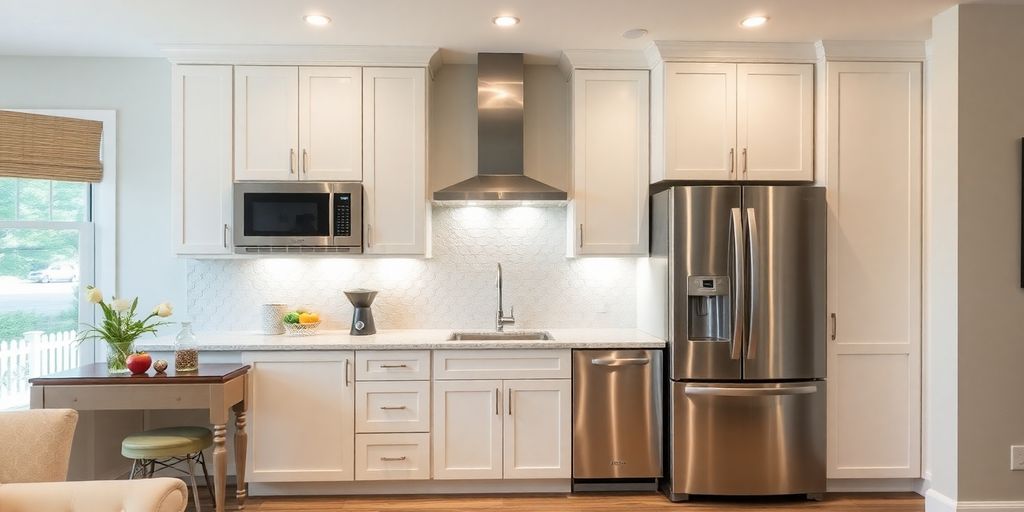
When you’re looking for specialized craftsmanship, especially for something as detailed as custom cabinetry, it’s good to see examples of businesses that really focus on quality. Chip N’Nails Cabinet Co. is one such place right here in Peachtree City. They’re known for making cabinets that are built to last and look great.
What They Offer
Chip N’Nails focuses on custom cabinets, but they also handle kitchen and bath remodels. This means they can manage a good chunk of your project if you’re updating those key areas of your home. They really take pride in the details of their work, which is something you want when you’re investing in your home.
A Closer Look at Their Work
One customer shared their experience, noting that while Chip N’Nails might not be the cheapest or fastest option, the quality is top-notch. They toured the facility and saw the whole process, from design to creation. The owner showed them how to spot good cabinet construction, and the result was cabinets that, according to the reviewer, are better than anything else they’ve seen. It’s a good reminder that sometimes paying a bit more for superior quality really pays off in the long run.
The attention to detail and the actual construction methods used by Chip N’Nails were impressive. It’s clear they have a deep understanding of woodworking and cabinet making, which translates into a superior final product for the homeowner.
Why This Matters for Your Project
Looking at a company like Chip N’Nails helps illustrate what to look for in any contractor you hire. It’s about more than just the price; it’s about the skill, the materials, and the overall commitment to doing the job right. When you get bids, think about who seems to have that same dedication to quality.
If you’re in the market for a general contractor who can manage various aspects of your home renovation, consider reaching out to The Remodel Group ATL. They are a General Contractors and Construction Company specializing in Home Remodeling and Home Builders. You can find them at 730 Peachtree St NE #570, Atlanta, GA 30308.
Thinking about updating your home? Chip N’Nails Cabinet Co. can help make your dream space a reality. We offer top-notch remodeling and construction services. Visit our website today to see our past projects and get inspired!
Wrapping Up Your Peachtree City Remodeling Project
So, you’ve gone through the steps to find a good contractor in Peachtree City. It’s a big job, but getting the right person makes all the difference. Remember to check out their past work, talk to people who’ve used them, and make sure you understand the contract before signing anything. A little bit of homework now can save you a lot of headaches later. Happy remodeling!
Frequently Asked Questions
What exactly does a general contractor do for my home project?
A general contractor is your main point person for a building or remodeling job. They handle all the details, like hiring different workers, getting permits, managing the budget, and making sure the project stays on schedule. Think of them as the project manager who makes sure everything runs smoothly from start to finish, taking the stress off your shoulders.
Is it really worth hiring a general contractor in Peachtree City?
Yes, it’s usually a great idea to hire a general contractor, especially for bigger projects. They bring experience to the table, which helps avoid problems down the road. They manage everything efficiently, coordinate skilled workers, and can save you time and a lot of headaches. It’s an investment that often pays off in the long run by ensuring quality work and a less stressful experience.
How can I find a reliable general contractor near me in Peachtree City?
You can find local general contractors by searching online directories or platforms that list home service professionals. Look for contractors with good reviews and ratings. Once you find a few you like, reach out to them, share your project ideas, and ask for quotes. Comparing these quotes will help you pick the best fit for your needs and budget.
What kind of services do general contractors typically offer?
General contractors offer a wide range of services. This includes building new homes from scratch, doing full-house renovations, adding extensions like extra rooms, and remodeling specific areas like kitchens and bathrooms. They also handle all the planning, budgeting, getting permits, and managing all the different specialized workers involved, like plumbers and electricians.
What should I look for when I get a price estimate from a contractor?
A good bid should break down all the costs clearly, including materials, labor, and any subcontractors. It should also give you an idea of the project’s timeline and how payments will be handled. Be wary of bids that are vague, seem too low compared to others, or don’t mention permits. Always ask for clarification if anything is unclear.
How should I compare different price quotes from contractors?
When comparing bids, look at the details, not just the final price. Make sure each bid covers the same work and has clear explanations for all costs. The cheapest option isn’t always the best. Focus on which contractor offers the best value, provides a complete and clear plan, and makes you feel confident about their ability to do a great job.